
Get Exclusive App Deals
Product #250282


KKday Marketplace
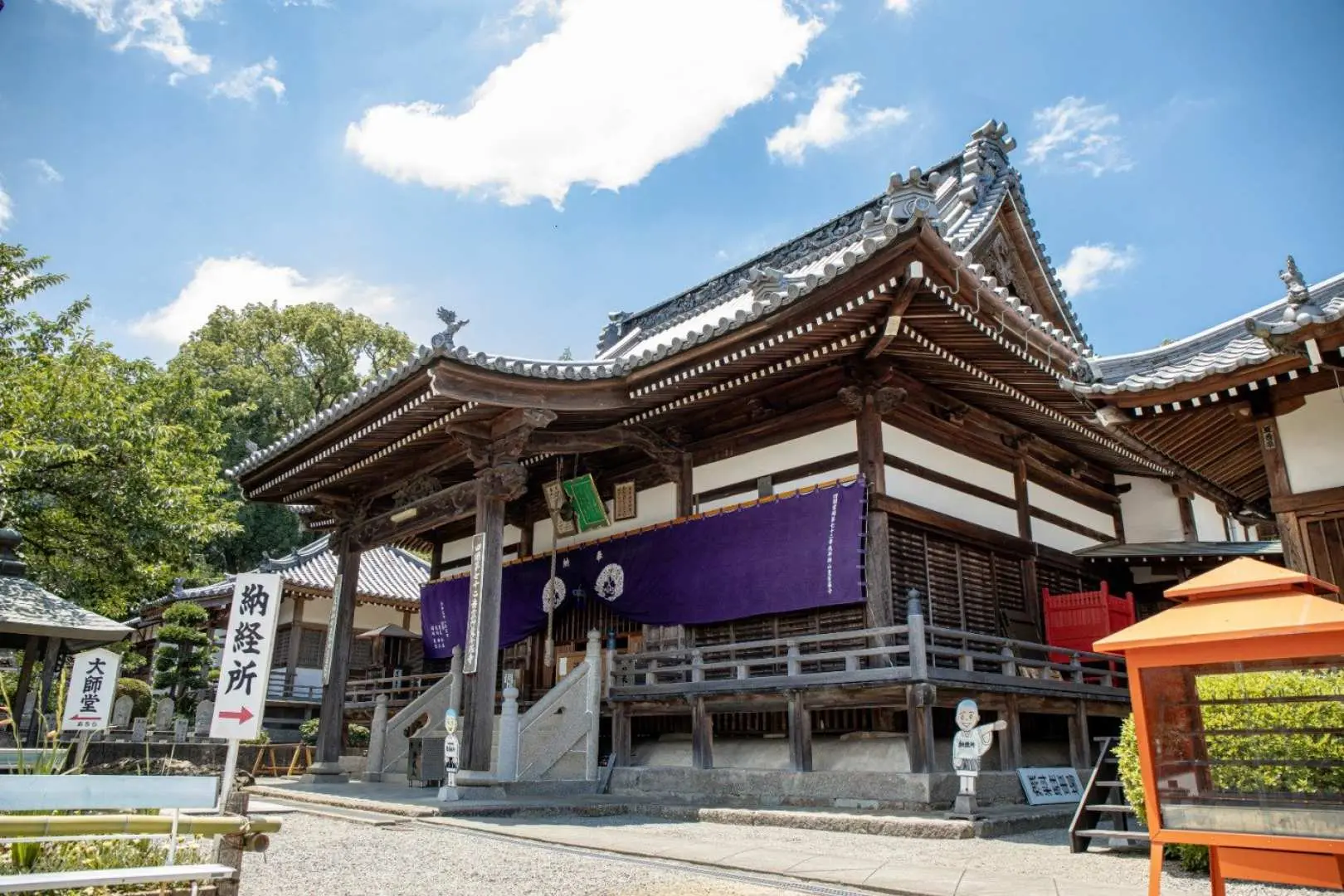
Experience making Japanese sweets and tea ceremony to pray for longevity at a temple associated with Kukai, a great figure in the world of Japanese Buddhism (Zentsuji City, Kagawa Prefecture)
・You can make Japanese sweets with wishes for longevity at a historic temple filled with motifs of longevity.
・A Japanese confectioner who makes nerikiri, a confection used in many tea ceremonies, will teach you how to make it.
・The tea room will be decorated specially for this experience program.
・If you have difficulty sitting upright, you can sit in a chair available.
・Your guide will also teach you how to pray at the temple, so you can come with peace of mind.
・A Japanese confectioner who makes nerikiri, a confection used in many tea ceremonies, will teach you how to make it.
・The tea room will be decorated specially for this experience program.
・If you have difficulty sitting upright, you can sit in a chair available.
・Your guide will also teach you how to pray at the temple, so you can come with peace of mind.
Product Info
What You Can Expect
Duration: 2 hour(s) 30 minute(s)
1 Day
- Temple grounds tour: about 30 minutes
- Japanese sweets making experience: about 1 hour
- Tea ceremony experience: Approximately 1 hour



Purchase Notice
・Depending on the date you wish to make a reservation, you may not be able to experience either the Japanese sweets making or the tea ceremony. After submitting your reservation request, we will contact you to make schedule adjustments with each instructor.
・Please note that if you are late for the meeting time, you may not be able to participate.
・Unlike typical tourist destinations, this is a place that is treasured as an object of religious worship. Please enjoy the place with good manners.
・If children are participating, they must be accompanied by a parent or guardian.
・The building is not barrier-free. If you require assistance, please contact us in advance.
・Please note that if you are late for the meeting time, you may not be able to participate.
・Unlike typical tourist destinations, this is a place that is treasured as an object of religious worship. Please enjoy the place with good manners.
・If children are participating, they must be accompanied by a parent or guardian.
・The building is not barrier-free. If you require assistance, please contact us in advance.
Includes/Excludes
Eligible Users
Reminders
Please come to the tea hall within the Mandala Temple grounds 10 minutes before the start of the experience.
How to Redeem Your Voucher
How to Use Your Voucher
- Please present the e-voucher on-site
Meeting Point
Location Name: Mandala Temple Tea Hall
Address: 1380-1 Yoshiwaracho, Zentsuji CityHow to Get There
Please come to the teahouse in the grounds of Mandala Temple 10 minutes before the start of the experience.
[For those coming by car]
Nearest IC: Approximately 15 minutes (6 km) from Zentsuji IC
(Via Prefectural Route 48)
[For those coming by train]
Get off at Zentsuji Station: Approximately 11 minutes (5.1 km) by taxi, etc.
(Via Prefectural Route 48)
▶ Paid parking lot on the temple grounds
・Light and regular cars: 200 yen (20 cars)
・Bus: 500 yen (4 cars available)
Experience Location
Location Name: Mandala Temple
Address: 1380-1 Yoshiwaracho, Zentsuji CityCancellation Policy
- Cancellations 4 day(s) (inclusive) before the selected date are allowed. Unused orders can be canceled for free
- For cancellations made 1 to 3 days prior to selected date, a cancellation fee of 50% will apply
- Cancellation is not allowed between 0–0 days from the selected date. Orders cannot be canceled or modified, and refunds will not be granted.
- Due to time zone differences, the confirmed cancellation date is based on the supplier’s local time. Please allow 2–5 business days to process your cancellation request, after which the cancellation fee will be charged according to the product’s cancellation policy. Once the cancellation is confirmed, you will receive your refund within 14 working days.
Get Help


Contact Merchant


