



Local Carpet Weaving Tour In Cappadocia | Handmade Experience | Turkey
- Watch The Art of Carpet Weaving.
- See the Art of Carpet Weaving in Cappadocia.
- History of Hand Woven Carpets.
Product Info
Purchase Notice
Includes/Excludes
Reminders
Please use KKday online chat to contact the supplier if you have questions. (support language: English)
How to Redeem Your Voucher
How to Use Your Voucher
- Please present the e-voucher on-site
Experience Location
Location Name: Cappadocia
Address: Cappadocia, TürkiyeCancellation Policy
- Cancellations 2 day(s) (inclusive) before the selected date are allowed. Unused orders can be canceled for free
- Cancellation is not allowed between 0–1 days from the selected date. Orders cannot be canceled or modified, and refunds will not be granted.
- Due to time zone differences, the confirmed cancellation date is based on the supplier’s local time. Please allow 2–5 business days to process your cancellation request, after which the cancellation fee will be charged according to the product’s cancellation policy. Once the cancellation is confirmed, you will receive your refund within 14 working days.
FAQ
Cappadocia holds a profound place in Turkish carpet weaving heritage, renowned for its unique designs, natural dyes, and distinct knotting techniques. This region has preserved ancient Anatolian weaving traditions for centuries, making its carpets not just floor coverings but significant cultural artifacts and historical narratives woven into fabric, deeply reflecting the local identity.
Identifying an authentic handmade Cappadocia rug involves checking several features. Look for subtle irregularities in the weave, which are a hallmark of handcraftsmanship. Examine the fringe—it should be an extension of the rug's warp threads, not sewn on separately. Authentic rugs often use natural dyes, resulting in rich, nuanced colors that may display slight variations and develop a beautiful patina over time. The specific knot type, often the Turkish (Ghiordes) double knot, is another key indicator of traditional artistry.
The value and quality of handmade Cappadocia rugs are influenced by several factors. These include the fineness of the knotting, measured by knot density per square inch, which reflects the labor and intricacy. The type and quality of materials used, such as premium local wool, cotton, or silk, also play a significant role. Furthermore, the intricacy and uniqueness of the design patterns, the use of natural, long-lasting dyes, and the rug's age and overall condition contribute to its worth. The artistic expression and skill of the weaver are paramount in determining its lasting appeal.
Cappadocia carpet weaving primarily employs traditional Anatolian techniques passed down through generations. The most prominent method is the Turkish (Ghiordes) knot, a symmetrical double knot known for its exceptional durability and creating a plush, robust pile. Weavers meticulously work on vertical looms, hand-tying each individual knot. Natural dyes, often derived from local plants and minerals, are crucial for achieving the region's characteristic vibrant and enduring colors. The patterns often incorporate ancient symbolic motifs and regional designs, reflecting cultural heritage.
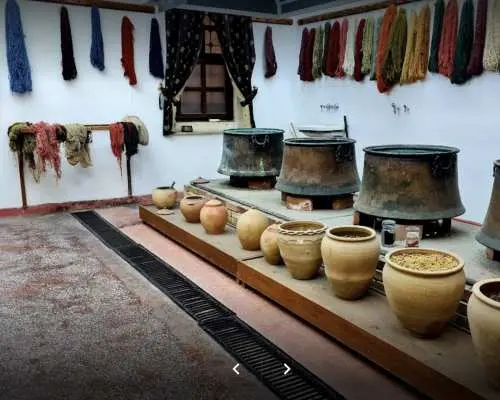
During a Cappadocia carpet weaving tour, visitors can expect an immersive experience witnessing the intricate process of traditional carpet making firsthand. This typically includes observing skilled artisans demonstrating various knotting techniques on authentic looms, learning about the process of natural yarn dyeing using local ingredients, and discovering the different types of fibers and materials utilized. The tour also often delves into the rich history and profound cultural significance of these handmade treasures within the Cappadocia region.
The history of handmade carpets in Cappadocia spans thousands of years, deeply rooted in the nomadic and agricultural lifestyles of ancient Anatolian civilizations. Carpet weaving evolved from a practical necessity for warmth and shelter into a sophisticated art form. Over centuries, unique regional styles, intricate motifs, and distinctive dyeing techniques developed, influenced by various empires and local traditions. This rich history has made carpet weaving an inseparable part of Cappadocia's cultural identity and economic fabric, with techniques and patterns passed down through families.
Yes, many local carpet weaving experiences and workshops in Cappadocia offer visitors the unique opportunity to try their hand at this traditional craft. Under the guidance of experienced weavers, participants can learn basic knotting techniques and even contribute a few knots to a developing rug. This hands-on involvement provides a deeper, more personal appreciation for the immense skill, patience, and artistry involved in creating these intricate and valuable handmade textiles.
Cappadocia's carpet weaving tradition significantly contributes to local culture today by actively preserving a vital aspect of its heritage and empowering communities. It helps sustain traditional craftsmanship, providing valuable economic opportunities for local families, especially women, who often lead these artisanal endeavors. Furthermore, the weaving workshops serve as vibrant cultural hubs, sharing the region's rich history, artistic legacy, and traditional skills with visitors from around the world, ensuring this cherished tradition continues to thrive.
Get Help


