



Kairakuen Garden Main Park Admission Ticket (Mito City, Ibaraki Prefecture)
- Kairakuen is one of the 'Three Great Gardens of Japan,' alongside Kenrokuen in Kanazawa and Korakuen in Okayama.
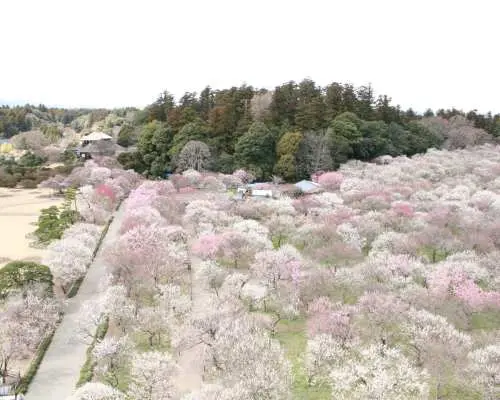
- Kairakuen features approximately 3,000 plum trees of about 100 varieties, attracting many tourists in early spring.
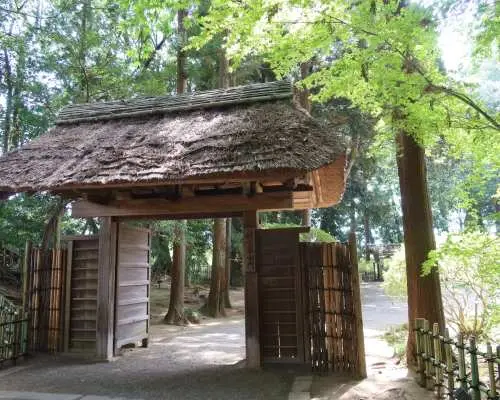
- With its varied topography, Kairakuen offers year-round enjoyment, featuring cedar and bamboo forests, cherry blossoms, azaleas, and bush clovers, as well as historical sites such as the Omotemon Gate, the Kairakuen-ki monument, Togyokusen spring, and Sen-eki-dai.
Package Options
Attraction Tickets
| Ticket type | E-ticket (direct entry) |
| Exhibit type | Traditional culture exhibits |
| Attraction type | History & culture, Natural habitats, Traditional house experience |
| Natural scenery | Forests |
| Tour types | None |
Product Info
- Facility Introduction -
Kairakuen is one of the Three Great Gardens of Japan, along with Kenrokuen in Kanazawa and Korakuen in Okayama.
It was opened in 1842 (Tenpo 13) by Tokugawa Nariaki, the 9th lord of the Mito Domain, with the desire to 'create a place to enjoy together with the people of the domain.'
Approximately 3,000 plum trees of about 100 varieties are planted here, attracting many visitors for plum blossom viewing. Flowers of the four seasons, such as cherry blossoms, azaleas, bush clovers, and winter-blooming cherry blossoms in early winter, color the garden.
- Admission Information -
- Opening Hours
Mid-February to September 30: 6:00 - 19:00
October 1 to mid-February: 7:00 - 18:00
* Open until 17:00 on weekends and holidays from February 15 to March 9
- Closed
Open every day
- Notes
Please refrain from bringing pets (dogs, etc.) into the garden.
★ Admission is 【Free】 for those who meet the following criteria ★
- Residents of Ibaraki Prefecture *Must present proof of residence. Excludes the plum blossom viewing period (approx. mid-February to late March).
- Elementary, junior high, and high school students visiting on Saturdays outside of spring, summer, and winter breaks.
Spring break: March 25 to April 5
Summer break: July 21 to August 31
Winter break: December 25 to January 7 of the following year - Recipients of public assistance
- Holders of a disability certificate (including one caregiver)
- Holders of a designated intractable disease medical expense recipient certificate (including one caregiver)
- Free for everyone on Ibaraki Prefecture Day (November 13)
- Free for everyone entering from opening time until 9:00 AM *Excludes the plum blossom viewing period (approx. mid-February to late March)

There are about 3,000 plum trees of about 100 varieties planted in Kairakuen, and it is crowded with tourists in early spring.
Purchase Notice
- Eligible customers will receive free admission. For details, please check the "Product Description" before purchasing.
Please note that changes or cancellations cannot be made after purchase. - Please refrain from bringing pets (dogs, etc.) into the park.
How to Redeem Your Voucher
How to Use Your Voucher
- Please present your QR code on-site
Experience Location
Location Name: Kairakuen [You can enter through the front gate, east gate, Togyokusenmon, and south gate]
Address: 1-3-3 Tokiwa-cho, Mito City, Ibaraki PrefectureCancellation Policy
- Once the order has been completed, it cannot be canceled, modified, or refunded
- Due to time zone differences, the confirmed cancellation date is based on the supplier’s local time. Please allow 2–5 business days to process your cancellation request, after which the cancellation fee will be charged according to the product’s cancellation policy. Once your refund request is confirmed, KKday will initiate the refund to your original payment method within 15 days. The actual refund timing depends on your card-issuing bank’s policy.
FAQ
1. What is Kairakuen Main Garden in Mito City famous for?
Kairakuen Main Garden is renowned as one of Japan's "Three Great Gardens," celebrated alongside Kenrokuen and Korakuen. It is particularly famous for its vast collection of approximately 3,000 plum trees across 100 varieties, which burst into bloom in early spring. The garden's design blends natural beauty with historical elements, offering picturesque landscapes and unique perspectives throughout the year.
2. Which gardens are considered the Three Great Gardens of Japan, and what makes Kairakuen Main Garden one of them?
The Three Great Gardens of Japan are Kairakuen in Mito, Kenrokuen in Kanazawa, and Korakuen in Okayama. Kairakuen earned its distinction due to its unique design, emphasizing shared enjoyment ("Kairaku" means "to enjoy together"). It features an expansive layout with undulating terrain, diverse flora including plums, cedar, bamboo, and seasonal flowers, alongside historical structures, creating a harmonious blend of natural and cultivated beauty.
3. What is the most convenient way to reach Kairakuen Main Garden in Mito City?
The most convenient way to reach Kairakuen Main Garden is typically by public transportation from Mito Station. From Mito Station's North Exit, you can take a local bus directly to the Kairakuen Higashi-mon (East Gate) bus stop, which is a short walk from the garden entrance. Alternatively, during the plum festival season, a temporary train station, Kairakuen Station, may operate, offering direct access on specific lines.
4. Are there cherry blossoms to see at Kairakuen Main Garden, and when is the best time to view them?
Yes, Kairakuen Main Garden is home to cherry blossoms, contributing to its diverse seasonal beauty. While primarily famous for its plum blossoms in early spring (February to March), the cherry blossoms typically follow, blooming around late March to early April. The garden's varied flora ensures that there are beautiful sights to enjoy throughout different seasons, not just plums.
5. What unique design elements and features distinguish Kairakuen Main Garden from other Japanese gardens?
Kairakuen Main Garden is uniquely distinguished by its concept of "shared enjoyment," diverging from traditional private gardens. It features a striking contrast between a vibrant, sunny plum grove and a serene, dark bamboo forest, symbolizing yin and yang. The garden also incorporates historical sites like the front gate and Togyokusen, combined with natural elements such as undulating terrain and diverse plant life, making it a garden to be explored and experienced, rather than just observed.
6. How can visitors purchase admission tickets for Kairakuen Main Garden?
Visitors can purchase admission tickets for Kairakuen Main Garden through various channels. Online booking platforms like KKday offer a convenient way to secure tickets in advance, allowing you to bypass potential queues and ensure smooth entry. Purchasing through KKday also provides the benefit of easy access to booking information and local support if needed during your trip. Tickets can also be purchased directly at the garden's entrance on the day of your visit.
7. What are the common train lines to arrive at Mito Station when traveling to Kairakuen Main Garden?
When traveling to Kairakuen Main Garden, you will typically arrive at Mito Station. The primary train lines serving Mito Station are the JR Joban Line, which connects to Ueno and Shinagawa in Tokyo, and the JR Suigun Line. From Mito Station, you can easily access Kairakuen via bus or a seasonal train stop, making these lines key for your journey to the garden.
8. When is the Mito Plum Festival held at Kairakuen Main Garden, and what can visitors experience during this event?
The Mito Plum Festival at Kairakuen Main Garden is scheduled annually from February 11th to March 20th. During this period, visitors can immerse themselves in the beauty of approximately 3,000 plum trees in full bloom, showcasing 100 different varieties. The festival creates a lively atmosphere with special events, local food stalls, and cultural performances, allowing guests to fully appreciate the garden's signature seasonal spectacle.


