


Kakadu Wilderness Escape from Darwin + Optional Croc Cruise Tour | Northern Territory
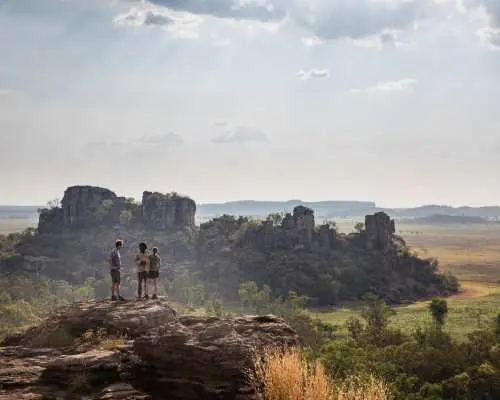
- Explore floodplains of Ubirr, home to important Aboriginal rock painting sites thousands of years old
- Visit the infamous Cahills Crossing to safely spot saltwater crocodiles from the viewing platform
- Learn about Kakadu at the Bowali Visitor Centre with time to view and purchase local arts and artefacts
- Get your heart racing with a close encounter with an apex predator on the Adelaide River onboard the Spectacular Jumping Crocodile Cruise
Package Options


Product Info
Purchase Notice
- Child fare prices apply from 6 to 12 years old. Not suitable for infants or children 5 years old and under, due to safety requirements and the level of fitness required to complete the walks.
- Operates: Mon, Tue, Wed, Thu, Sun (May-Oct) / Tue, Thu, Sun (*Apr)
- DEPARTS: 07:30 am
- RETURNS: 19:30pm
- TOUR DURATION: 12 Hours
Reminders
Please bring a refillable water bottle - 1L, hat, sunglasses & sunscreen, comfortable hiking shoes, all weather clothing, tropical strength insect repellent, money for snack and meals, camera
Cancellation Policy
- Cancellations 9 day(s) (inclusive) before the selected date are allowed. Unused orders can be canceled for free
- Cancellation is not allowed between 0–8 days from the selected date. Orders cannot be canceled or modified, and refunds will not be granted.
- Due to time zone differences, the confirmed cancellation date is based on the supplier’s local time. Please allow 2–5 business days to process your cancellation request, after which the cancellation fee will be charged according to the product’s cancellation policy. Once your refund request is confirmed, KKday will initiate the refund to your original payment method within 15 days. The actual refund timing depends on your card-issuing bank’s policy.
FAQ
1. What are the key natural and cultural highlights of Kakadu National Park?
Kakadu National Park is renowned for its exceptional natural and cultural heritage. Highlights include ancient Aboriginal rock art sites at Ubirr, showcasing thousands of years of human history. Visitors can explore diverse landscapes such as vast floodplains, dramatic escarpments, and wetlands teeming with unique wildlife. The park offers insights into a living culture, preserving significant sites and traditions of its traditional owners, reflecting its World Heritage status.
2. What are the recommended transportation options to reach Kakadu National Park from Darwin?
To reach Kakadu National Park from Darwin, self-driving is a popular option, typically taking about 2 to 3 hours. Main roads are accessible by 2WD, but a 4WD is recommended for exploring unsealed tracks or during the wet season. Alternatively, joining an organized tour from Darwin provides convenient transportation, expert guides who offer insights into the park's ecosystems and culture, and pre-arranged itineraries, making exploration seamless and stress-free.
3. Is a day trip to Kakadu National Park from Darwin feasible, and what can be experienced?
While a day trip to Kakadu National Park from Darwin is physically possible, it involves significant driving time, limiting exploration to a few key, easily accessible sites. Visitors might experience a quick stop at the Bowali Visitor Centre and a short viewing opportunity at one nearby attraction. For a more comprehensive experience to truly appreciate the ancient rock art at Ubirr, observe crocodiles at Cahills Crossing, and explore other natural wonders, a multi-day tour is highly recommended.
4. What is the optimal time of year to visit Kakadu National Park for wildlife viewing and accessibility?
The optimal time to visit Kakadu National Park for wildlife viewing and accessibility is generally during the dry season, from May to October. During this period, most roads are open, and wildlife congregates around shrinking waterholes, making sightings more frequent and easier. The wet season, from November to April, offers lush landscapes and powerful waterfalls, though some areas may become inaccessible due to flooding, requiring careful planning.
5. Where can visitors safely observe saltwater crocodiles within Kakadu National Park?
Visitors can safely observe saltwater crocodiles at specific locations within Kakadu National Park. Cahills Crossing offers a designated viewing platform where crocodiles are often seen, particularly during tidal movements as they hunt. Another excellent option is participating in a dedicated wildlife cruise on the Adelaide River, such as the Spectacular Jumping Crocodile Cruise, which provides a close yet safe encounter with these apex predators in their natural habitat, guided by experienced operators.
6. Is it recommended to visit Kakadu National Park independently or with an organized tour from Darwin?
Visiting Kakadu National Park with an organized tour from Darwin is highly recommended for convenience and a richer experience, especially for first-time visitors. Tours provide expert guides who share in-depth knowledge of the park's natural and cultural significance, handle all logistics, and ensure access to key sites. Independent travel offers flexibility but requires careful planning, potentially a 4WD for certain tracks, and self-navigation through a vast, remote area with varying road conditions.
7. What should travelers consider when booking a Kakadu National Park tour from Darwin?
When booking a Kakadu National Park tour from Darwin, travelers should consider the tour duration (e.g., multi-day options offer deeper exploration), the specific sites included (such as Ubirr, Cahills Crossing, and the Adelaide River cruise), and what services are covered (e.g., transportation, knowledgeable guide, park entry fees, meals). Reputable platforms like KKday offer a range of comprehensive tour packages that simplify planning, provide reliable transportation, and ensure a structured itinerary for a fulfilling experience.
8. What can visitors expect to see and learn at the ancient Aboriginal rock art sites in Ubirr?
At Ubirr, visitors can explore galleries of ancient Aboriginal rock art, showcasing various styles and stories that date back thousands of years. These artworks depict important cultural narratives, daily life, hunting techniques, and ancestral beings, offering a direct link to the region's rich history. A climb to the lookout point at Ubirr also offers breathtaking panoramic views over the Nadab floodplain, especially stunning at sunset, providing a deeper connection to the landscape and its history.


