



洛杉矶出发拉斯维加斯结束8天|羚羊谷/大峡谷/黄石/大提顿/拱门/纪念碑谷/峡谷地|随车星链WiFi
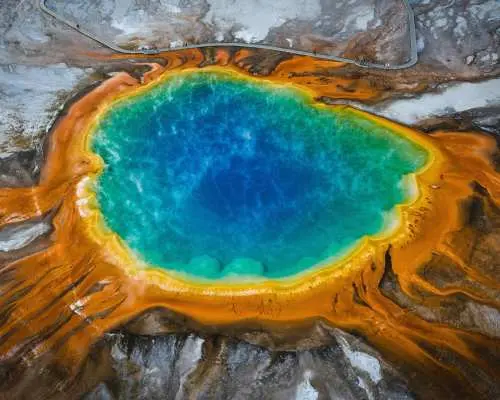
- 园内+星空双体验| 精选黄石国家公园园内酒店 1 晚+生态圈星空帐篷 1 晚,近距离感受地热奇观、赠送黄石生态圈天然热温泉体验,森林山谷与夜空星河,开启沉浸式自然之旅
- 黄石熊探秘| 把握年度限定时段参团,探秘野生黑熊/灰熊,全程由专业司导引导安全观赏。
- 精选必看线路|一次打卡黄石,大提顿,羚羊谷,拱门,纪念碑谷,峡谷地等热门景点
- 星链在线|全程配备 Starlink 卫星网络,Wi-Fi 全车覆盖,畅连每一段旅程,奢享尊贵旅程
- 精致小团| 11 人 精品小团,中/英文双语司导全程陪同,讲解黄石地热奇观、野生动物生态与隐藏拍照点
Package Options


Product Info
Purchase Notice
- 羚羊谷内禁止携带任何包袋;羚羊彩穴入谷禁止使用三脚架、独脚架、自拍杆、相机稳定器、GoPro 或运动相机、摄影包等;羚羊彩穴建议穿封闭式鞋子,避免穿露趾凉鞋或高跟鞋;禁止穿裙子或连衣裙进入羚羊谷。请穿裤装或短裤、舒适的步行鞋,并根据天气选择合适的户外服装;建议携带:舒适的运动鞋,防晒霜,遮阳帽;
- 黄石国家公园东门预计将于05/02/2026开放,在此之前以下景点:上下瀑布、艺术家点、海登峡谷、泥火山、钓鱼桥、西拇指间歇泉均无法参观游览,敬请谅解; 黄石国家公园南门预计将于05/10/2026开放,因此05/02/2026-05/09/2026期间西拇指间歇泉仍无法参观游览,敬请谅解。
- 请于参团当天将行程所有服务费及必付项目现金支付给导游。中途退团,服务费不退。
- 请在预定时务必提供准确、完整的信息,包括姓名、性别、联系方式、准确的航班信息或参团地点,以免产生预定错误,影响出行。如因您提供错误信息而造成损失,由您自行承担。
- 18岁以下未成年人或儿童必须由成人陪伴参团,单独旅行的未成年人或儿童不能参加此团。
- 为保障车辆安全运行、提高导游服务质量,监控导游服务标准,我公司将在每台运营车辆中安装车内车外行车记录仪,导游佩戴录像器,当您出示参团通知书时,默认同意我们采集车内车外录像。
- 在您完成支付后,我司将在出团前1-3个工作日内向您的预留邮箱发送出团凭证。如遇高峰期产品售完,我司会第一时间与您联络改期/换线。
- 凡精品小团线路中所涉及酒店,我司均不保证房型。如客人选择三人一房,四人一房。我司将尽量争取安排双床房,但恕无法保证一定能安排,若需要加床,请自行向酒店前台咨询,以美国酒店条款为准,费用自理。
- 酒店有不同的房间类型,例如一张King/Queen Size的大床房或两张Double Size的双床房。每个房间可合法住宿的最多人数在2到4 人,包括成人和儿童。另外每个酒店都有不同的收取押金的方式(多以信用卡办理押金的收取与退还),届时需要参团客人根据不同规定给予配合。我司保证客人的用房数量,但不保障具体房间类型和所处位置。酒店的入住时间通常在15:00以后。
- 酒店押金,每组参团客人需携带一张可在目的地使用的信用卡或借记卡,并在办理入住时按照酒店规定配合完成押金预授权或支付手续。押金金额及支付方式以酒店具体政策为准。如无额外消费,酒店将在退房后美国境内卡7-14个工作日内,国际卡14-21个工作日内,按原支付方式退还押金,实际到账时间可能因银行处理流程有所不同,敬请谅解。我司不负责追讨信用卡押金,但可以协助客户咨询酒店处理进度。
- 美国酒店不允许抽烟,及使用自嗨锅煮食物 违者罚款200-250美金并承担法律责任。
- 精品小团谢绝自行携带国家公园年票和景点门票,如果客人自行携带上述门票,我司将拒绝提供当日的用车交通服务,请客人自行安排当日的交通。(非美国居民国家公园年票可以携带。)
- 实际出行过程中,导游或司机有权根据天气、交通等情况,适当调整景点的游览顺序、停留时间或集合时间以确保行程顺利进行。如遇景点临时关闭或节假日(感恩节、圣诞节、新年)关闭等,导致无法参观,导游会根据实际情况调整为外观或以其他景点代替以确保行程的丰富性。各景点及国家公园的开放时间及流量控制不时变化,如影响行程属不可抗力因素,费用不退。敬请谅解。
- 如遇自然灾害天气、罢工、路况或其他不可抗力因素,为保障旅客的安全与权益,本公司保留调整行程和酒店的权利,费用不退。不可抗拒因素导致我司无法保障到达接送地点。由此原因导致的行程延误給客人带来任何的不便或产生相关的航班、火车或其它费用以及其他额外费用的,我司概不负责。
- 行李限制:由于车型和人数的限制,每人允许携带1个26寸的行李箱。如超出此规定造成无法承载,责任由客人自理。我司在出发城市为超多超大行李游客免费提供储存。(我司提供新锁,钥匙费用自理,请妥善保管钥匙,我司不负责钥匙丢失后果。)
- 行程期间请您妥善保管自己的行李,本公司无法负责旅客行李、手提包、私人物品等的损坏、遗失责任。若旅行过程中行李在酒店或游览其中丢失,请您保护现场并立即报警。我司导游会配合警方调查取证。为不影响其他旅客正常旅行,我司导游不陪同客户处理行李丢失的后续问题,因此产生的费用客户自行承担,建议您出行前可以购买旅行财产险或相关个人境外旅行保险。
- 如您携带小孩(未满8周岁)一同出行,请在预订时务必提前告知客服,并提供小孩年龄等信息,以保证提前准备小孩座椅(20美元/次)。如因未提供以上信息从而导致未能及时安排安全椅,将可能导致行程延误直至儿童座椅准备完毕,由此产生的延误费用及因提供婴儿/儿童座椅而产生的损失用将由客人自行承担(包括但不仅限于婴儿/儿童座椅的租金、由于没有将婴儿/儿童放入儿童座椅而违反相关法律法规所产生的罚单费用、以及由此导致司导驾照扣分或吊销及客人投诉产生的相关费用)。
- 参加精品小团的客人需要境内支付团款,除团款外的其他费用需要客人境外现金支付。
- 羚羊彩穴作为世界十大摄影圣地之一,参观期间需严格遵守相关规定:禁止在楼梯上拍照,必须全程跟随印第安导游,不得在岩壁上刻字、乱丢垃圾或随地便溺;禁止携带任何包类物品、相机三脚架或独脚架,以及攀爬岩壁。若有任何违规行为,羚羊彩穴印第安人运营方有权立即将您送回景点门口,并不退还已支付的门票费用。
- 具体自费项目能否安排,需根据当天团队实况而定,不保证一定成行,请勿提前预付相关费用。
Reminders
A minimum of 2 traveler(s) are required for the tour to depart. If the number of participants does not reach the minimum requirement, the tour will be canceled. An email regarding tour cancellation will be sent 2 day(s) before the departure date
Travelers with the following conditions or other health issues that could be worsened by excessive stimulation should not participate in this activity: Heart disease, Asthma, Pregnant women, Epilepsy, Acrophobia
Please arrive at the designated location 10 minute(s) before the scheduled departure time, as the tour will depart on time
由于景点的特殊性,此线路不建议 3岁以下婴儿、75 岁以上老人参团,如坚持参团需客人自行承担风险与责任。
FAQ
1. What is the best time of day to visit Antelope Canyon for optimal light conditions?
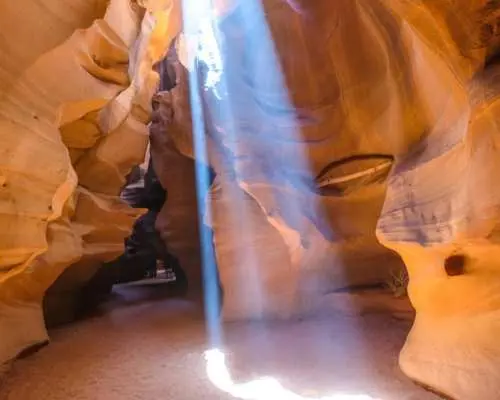
The ideal time to visit Antelope Canyon for photography and stunning light beams is generally between late morning and early afternoon, specifically from 10:00 AM to 2:00 PM. During these hours, the sun is high enough for light to penetrate directly into the canyon, creating the iconic glowing walls and occasional light shafts. However, actual conditions can vary with the season and specific weather.
2. What are the main differences between Upper Antelope Canyon and Lower Antelope Canyon?
Upper Antelope Canyon is wider at the top, allowing more direct sunlight, making it famous for its iconic light beams, especially during midday. It's also at ground level, offering an easier walking experience. Lower Antelope Canyon is narrower with more climbing and descending via ladders, providing a more adventurous feel and unique, swirling rock formations with indirect, softer light throughout the day.
3. How can I secure admission tickets for Antelope Canyon when booking this tour?
For this multi-day tour that includes Antelope Canyon, admission tickets are typically arranged and included as part of your tour package. You can book your entire tour conveniently through KKday, which offers a comprehensive service for confirming all necessary admissions and ensuring a seamless travel experience, allowing you to focus on enjoying the natural beauty without separate ticket purchases.
4. What is the estimated driving duration from Las Vegas to Antelope Canyon?
The estimated driving duration from Las Vegas to Antelope Canyon is approximately 4.5 to 5 hours, covering a distance of about 270 miles (435 kilometers). This tour originates from Los Angeles and concludes in Las Vegas, with Antelope Canyon being a key stop along the journey through the diverse landscapes of the American Southwest.
5. What kind of photography opportunities are available within Antelope Canyon?
Antelope Canyon offers exceptional photography opportunities due to its unique slot canyon formations, vibrant colors, and dynamic lighting. Visitors can capture stunning images of the sculpted sandstone walls, flowing textures, and the interplay of light and shadow. Upper Antelope Canyon is known for its dramatic light beams, while Lower Antelope Canyon provides opportunities for capturing swirling rock patterns and subtle color gradients.
6. What essential items should I bring for a visit to Antelope Canyon?
For a visit to Antelope Canyon, it's essential to bring comfortable walking shoes, as you'll be navigating uneven terrain. A camera is highly recommended to capture the unique beauty. Hydration is key, so carry water. Depending on the season, a light jacket or sun protection like a hat and sunscreen might be useful, as temperatures can vary inside and outside the canyon.
7. Are guided tours mandatory for exploring Antelope Canyon, and what do they typically cover?
Yes, guided tours are mandatory to enter Antelope Canyon, as it is located on Navajo Nation land. These tours are led by authorized Navajo guides who provide insights into the canyon's geology, history, and cultural significance. They often highlight the best spots for photography and ensure visitor safety while navigating the unique environment of the slot canyon.
8. Is Antelope Canyon accessible for visitors with limited mobility?
Accessibility varies between the different sections of Antelope Canyon. Upper Antelope Canyon is generally considered more accessible, as it is largely at ground level and involves less strenuous walking. Lower Antelope Canyon, however, requires navigating steep ladders and narrow passages, making it less suitable for visitors with significant mobility limitations. It is advisable to check specific tour details for accessibility information.


