


Ha Noi | Luxury City Full Day Tour | Departure from Ha Noi
- Ho Chi Minh Complex & One Pillar Pagoda – Visit the final resting place of Uncle Ho, explore his stilt houses, and see the iconic One Pillar Pagoda, one of the world’s most unique temples.
- Vietnam Ethnology (or Women’s) Museum – Discover the rich cultures, traditions, and daily life of Vietnam’s 54 ethnic groups (or Vietnamese women’s history on Mondays).
- Tran Quoc Pagoda & Temple of Literature – Experience Hanoi’s spiritual and intellectual heritage at the city’s oldest pagoda and Vietnam’s first university.
- Hoa Lo Prison Museum – A powerful historical site offering insight into Vietnam’s struggle during the French colonial period.
Package Options


Product Info
Discover the timeless charm of Vietnam’s capital on a full-day Hanoi City Tour, where history, culture, and tradition come together in one unforgettable journey. Explore Hanoi’s most iconic landmarks, beginning with the historic Ho Chi Minh Complex, where you can learn about the life and legacy of Vietnam’s beloved leader and visit the unique One Pillar Pagoda, one of the country’s most remarkable spiritual symbols. Dive deeper into Vietnam’s rich cultural heritage at the Vietnam Ethnology Museum, home to fascinating exhibits showcasing the traditions of all 54 ethnic groups across the country. Enjoy a delicious Vietnamese lunch at a local restaurant before continuing to the peaceful Tran Quoc Pagoda, Hanoi’s oldest pagoda, beautifully set on the edge of West Lake. In the afternoon, step into the nation’s academic past at the Temple of Literature, Vietnam’s first university and one of Hanoi’s most treasured historical sites. Complete your journey with a visit to the legendary Hoa Lo Prison, a powerful and thought-provoking museum offering insight into Vietnam’s colonial history and resilience. Perfect for first-time visitors and culture lovers alike, this Hanoi city tour is the ideal way to experience the very best of the capital in just one day.
SPECIAL NOTES
- Ho Chi Minh’s Mausoleum is closed on Monday and Friday. But still can take picture of the Mausoleum and visit around that area.
- We will visit Vietnamese Women’s Museum instead of Vietnam
- Ethnology Museum closed on Mondays.
- Should dress modestly by covering from shoulders to knees in the public places like temples, pagodas, HCM Mausoleum, etc
- Should bring the necessary things such as: cash, cellphone or cameras, raincoat/ umbrella, sun block, etc (depending on the weather).
- The order of the itinerary can be changed depending on the situation.
Ho Chi Minh Complex, the final resting place of Vietnamese great father or Uncle Ho. You have a chance to see the embalmed body of Ho Chi Minh then walk around the garden to see 2 houses where he lived & worked from 1954 to 1969.


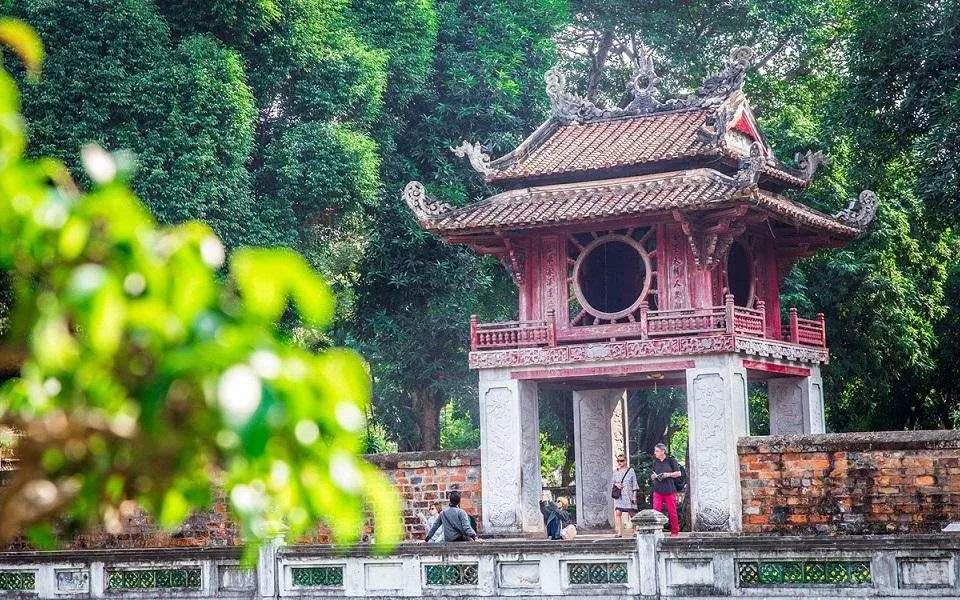
Temple of Literature – the first university of Vietnam, The Temple of Literature (Van Mieu Quoc Tu Giam) is one of the most attractive tourist spots in Northern Vietnam. The Temple of Literature was founded in 1070.

Hoa Lo Prison, the prison was built by the French, from 1886 to 1901, when Vietnam was still a part of French Indochina. The French called the prison Maison Centrale. The prison was called “A Hell on Earth” and now the prison is like a war museum for those who want to understand more about the war against France of Vietnamese people.


FAQ
1. What are the recommended transportation options for visiting multiple attractions like the Ho Chi Minh Complex and Temple of Literature in Hanoi?
For navigating between attractions in Hanoi, several options are reliable. Taxis and ride-hailing services like Grab are convenient and widely available. For shorter distances, cyclos (pedicabs) offer a unique local experience. Public buses cover extensive routes and are very affordable, while walking is ideal for exploring specific districts or between closely located sites.
2. Are ride-hailing services like Grab available and reliable for navigating Hanoi to visit sites like the Vietnam Ethnology Museum?
Yes, ride-hailing services, particularly Grab, are widely available and highly reliable in Hanoi. They offer car and motorbike options, making it easy to travel to various attractions, including the Vietnam Ethnology Museum. The app provides fare estimates upfront and allows for cashless payments, offering convenience and transparency for travelers.
3. What cultural considerations should international visitors be aware of when exploring historical sites such as Hoa Lo Prison in Hanoi?
When visiting historical and cultural sites like Hoa Lo Prison or pagodas, it is advisable to dress modestly, covering shoulders and knees, as a sign of respect. Be mindful of local customs, speak softly, and avoid public displays of affection. Understanding and respecting local traditions will enhance your experience and interactions with residents.
4. Is Hanoi Train Street worth visiting for travelers exploring Hanoi?
Hanoi Train Street offers a unique glimpse into local life, with cafes and shops lining active railway tracks. It provides an authentic and somewhat thrilling experience as trains pass incredibly close. While not a part of structured city tours, it's a popular spot for travelers seeking distinct photo opportunities and a vibrant atmosphere. Visitors should check train schedules and adhere to safety warnings.
5. What are the main highlights for visitors at the Ho Chi Minh Complex and One Pillar Pagoda?
At the Ho Chi Minh Complex, visitors can see Ho Chi Minh's Mausoleum (from the outside), his traditional stilt house, and the Presidential Palace grounds. The nearby One Pillar Pagoda is famous for its unique architecture, resembling a lotus flower, and is considered one of Vietnam's most iconic temples, offering a blend of history and spirituality.
6. What unique cultural insights can be gained from visiting the Vietnam Ethnology Museum in Hanoi?
The Vietnam Ethnology Museum offers deep insights into the diverse cultures, traditions, and daily life of Vietnam's 54 ethnic groups. Through extensive exhibitions, artifacts, and reconstructions of traditional houses, visitors can learn about the rich tapestry of Vietnamese heritage. On Mondays, the museum focuses specifically on the history and contributions of Vietnamese women.
7. What is the historical significance of the Tran Quoc Pagoda and Temple of Literature in Hanoi?
Tran Quoc Pagoda is the oldest pagoda in Hanoi, dating back to the 6th century, and serves as a significant spiritual and cultural landmark. The Temple of Literature, founded in 1070, was Vietnam's first national university. It represents the country's long-standing intellectual tradition and Confucian heritage, serving as a testament to Vietnam's commitment to education.
8. What kind of historical insights does the Hoa Lo Prison Museum offer about Vietnam's past?
The Hoa Lo Prison Museum provides a powerful and poignant look into Vietnam's history, particularly its struggle during the French colonial period. It details the harsh conditions faced by Vietnamese revolutionaries imprisoned there. Later, during the Vietnam War, it held American prisoners of war, who sarcastically dubbed it the 'Hanoi Hilton,' offering a unique perspective on the conflict.
Get Help


