


Discover Seoul’s Hidden Charms Tour | South Korea
🌸 Discover the charm of Seoul on this unforgettable tour!
🇰🇷 Explore Seoul’s charm year-round! Visit Haneul Park, Mangwon Market, and Mangridangil for nature, culture, and local delights.
Product Info
🟦 Embark on a journey to explore the serene beauty and lively culture of Seoul with a tour that highlights some of the city’s most enchanting spots. While this itinerary is particularly captivating during spring, it offers a delightful experience all year round. From the lush landscapes of Seoul Botanic Park to the panoramic views at Haneul Park, the bustling energy of Mangwon Market, and the creative vibes of Mangridangil, this tour blends nature, food, and culture into an unforgettable adventure.
🔹 Haneul Park
A highlight within World Cup Park, Haneul Park (Sky Park) is renowned for its sweeping fields of grass and vibrant seasonal flowers. The park’s elevated location provides stunning views of the city skyline and surrounding nature.
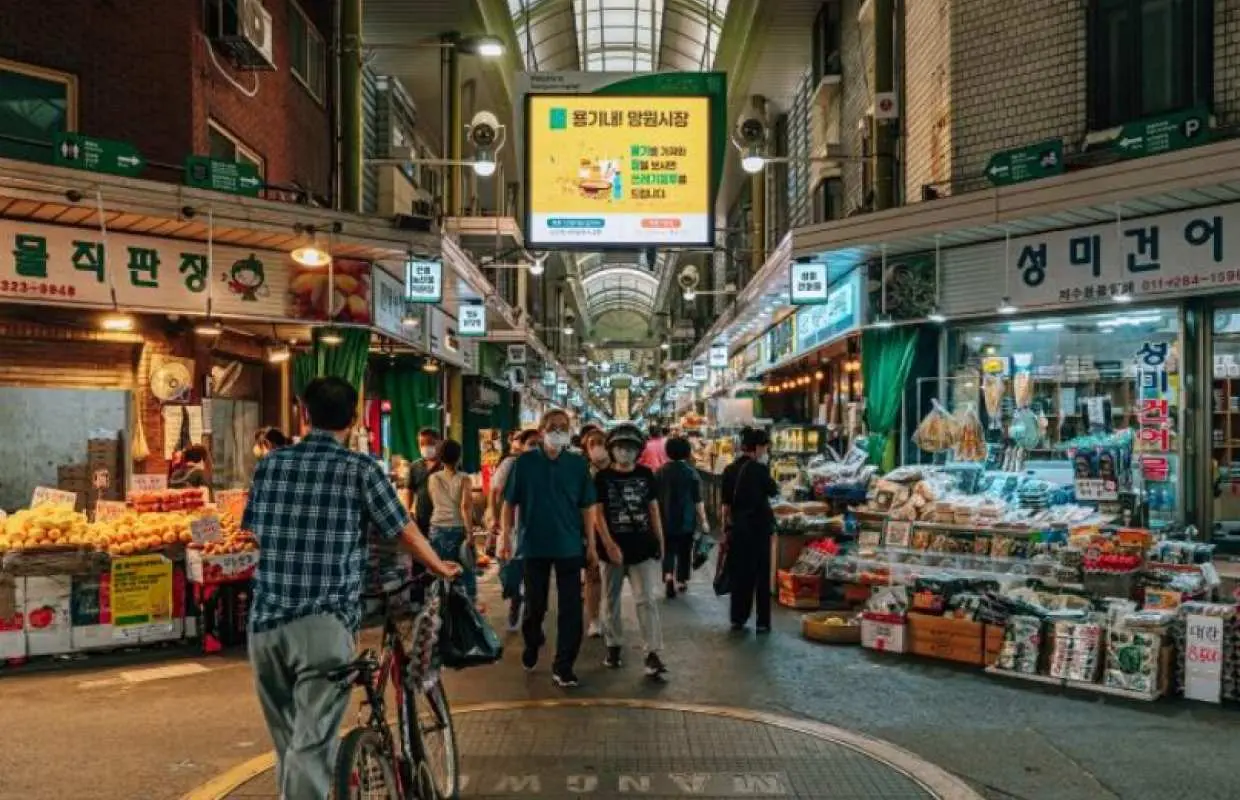
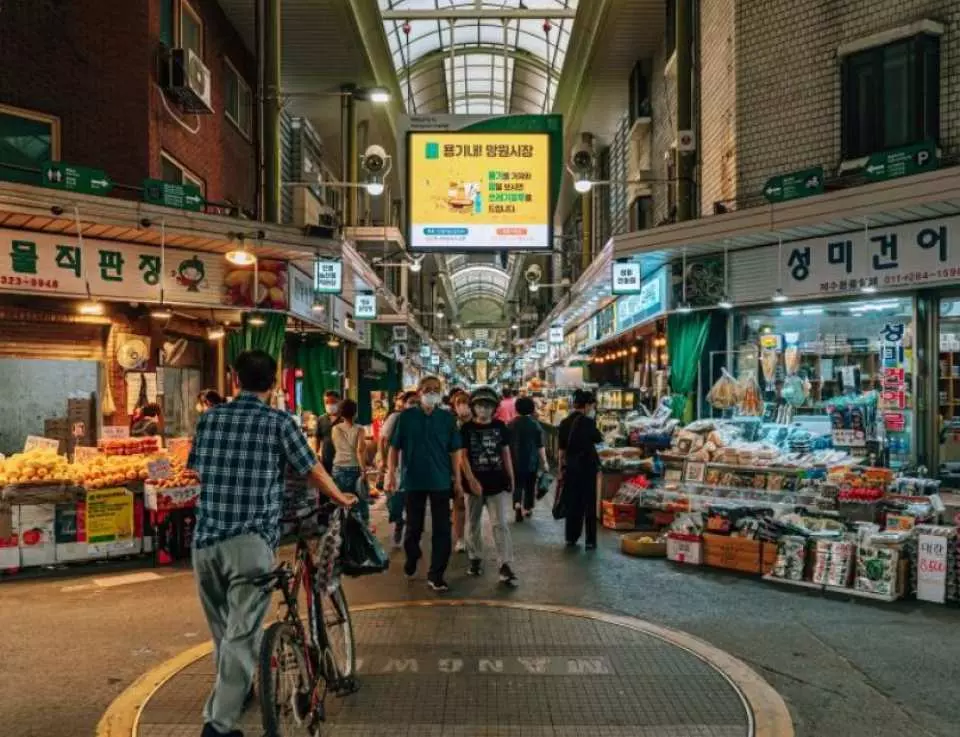
🔹 Mangwon Market
A traditional Korean market brimming with fresh produce, street food, and local delicacies. Explore the vibrant atmosphere and try popular dishes like tteokbokki, hotteok, and gimbap, immersing yourself in authentic Korean culture.
🔹Mangridangil
A trendy neighborhood known for its indie cafes, boutique shops, and creative vibes. Stroll through the charming streets, enjoy coffee at a unique cafe, or shop for handmade goods while soaking in the local atmosphere.




Important Info
Reminders
A minimum of 3 traveler(s) are required for the tour to depart. If the number of participants does not reach the minimum requirement, the tour will be canceled. An email regarding tour cancellation will be sent 2 day(s) before the departure date
Please arrive at the designated location 5 minute(s) before the scheduled departure time, as the tour will depart on time
This itinerary is subject to change due to the traffic condition
Haneul Park is located within World Cup Park in the western part of Seoul, and to reach it, you need to climb 425 steps.
Not wheelchair accessible. Most travelers can participate
⚠️ All of our itineraries do not include personal travel insurance. Outdoor activities involve certain risks and hazards. Guests should evaluate their own health or abilities. The company is not responsible for any bodily harm or damage caused by accidents or unforeseeable factors.
Cancellation Policy
- Cancellations 2 day(s) (inclusive) before the selected date are allowed. Unused orders can be canceled for free
- Cancellation is not allowed between 0–1 days from the selected date. Orders cannot be canceled or modified, and refunds will not be granted.
- Due to time zone differences, the confirmed cancellation date is based on the supplier’s local time. Please allow 2–5 business days to process your cancellation request, after which the cancellation fee will be charged according to the product’s cancellation policy. Once the cancellation is confirmed, you will receive your refund within 14 working days.
FAQ
Gyeongbokgung Palace is closed every Tuesday, so avoid visiting on this day. For fewer crowds, we recommend visiting on a weekday. If you wish to see the Royal Guard Changing Ceremony, weekends are also a good choice. The ceremony usually takes place at fixed times daily, so arrive early to secure a good viewing spot.
Gyeongbokgung Palace was the largest and most important royal palace during the Joseon Dynasty, holding deep historical and cultural significance. It served as the site for the royal family to conduct state affairs, hold ceremonies, and live their daily lives, symbolizing royal power and national authority. Many of its architectural features reflect the aesthetics and Confucian thought of the time, making it a vital landmark for understanding Korean history and culture.
Key must-see attractions within Gyeongbokgung Palace include the majestic Geunjeongjeon Hall, where the king held grand ceremonies; the beautiful Gyeonghoeru Pavilion, a lakeside pavilion once used for banquets; and Hyangwonjeong Pavilion, renowned for its unique hexagonal structure and tranquil pond setting. Additionally, various other halls, gatehouses, and stone carvings showcase the exquisite craftsmanship and royal grandeur of the Joseon period.
Yes, tickets are typically required to enter Gyeongbokgung Palace. You can easily book your tickets through the KKday platform to avoid the hassle of queuing on-site, ensuring a smooth visit. The platform also offers a convenient booking process and various payment options, allowing you to focus more on enjoying your cultural exploration.
Beyond Gyeongbokgung Palace, young travelers can enjoy a diverse range of activities in Seoul. For example, visiting Haneul Park offers breathtaking city views and seasonal flowers, making it a popular spot for photos. Exploring Mangwon Market allows you to sample authentic Korean street food and local flavors, immersing yourself in a vibrant market atmosphere. Alternatively, wander through the alleyways of Seochon to experience a unique blend of tradition and modern cultural creativity.
Seochon captivates with its distinct cultural charm, preserving traditional Hanok alleyways while also brimming with modern cafes, art galleries, and design shops. We recommend strolling through its ancient lanes, absorbing the historical depth, and simultaneously savoring the fusion of contemporary art and cuisine. Here, you can discover many hidden gems and experience authentic Seoul life.
Haneul Park offers different beauty throughout the seasons, with autumn being the optimal visiting time. During this period, the park's eulalia grass and pampas grass create a spectacular golden and reddish-orange sea of reeds, attracting many visitors for photography. Situated atop a former landfill, the park has been transformed through ecological restoration into one of Seoul's most representative natural spaces, offering panoramic views of the Han River and the city skyline.
The Changgyeonggung Palace Greenhouse is Korea's earliest Western-style greenhouse, and its architecture is a significant feature. It boasts an elegant, retro design using Victorian-era glass and steel structures. Inside, it houses a variety of rare tropical plants and flowers, creating an exotic botanical garden. Visitors can admire diverse greenery, enjoy a tranquil natural atmosphere, and it's also a very popular spot for photography.
Get Help


