



God's Tribe l Hsinchu Simakus 2-Day Private charter car
- Professional drivers will pick you up safely without having to worry about the long journey or the rough mountain roads.
- Provide travel safety insurance, happy travel and safe return home
Package Options
Private & Shared Cars
| Shared transfer type | Attraction transfer |
| Charter type | Multi-day charter |
| Car model | 9-seater |
| Other service | Child seat rental |
Product Info
What You Can Expect
1 Day
- 08:00Meet at the West Gate 3 of Taipei Main Station
- Depart from Taipei Main Station
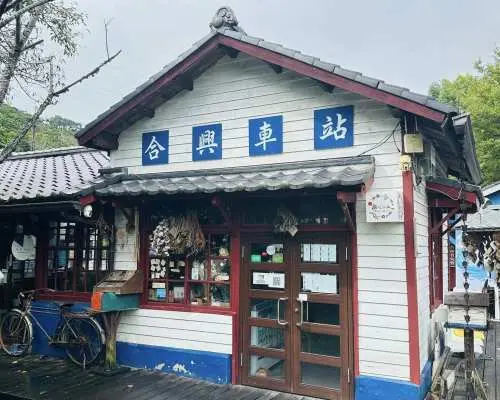
- Hexing Station
- Simakus Cherry Blossom Forest and Giant Trees


2 Day
- Gunkanyan Suspension Bridge
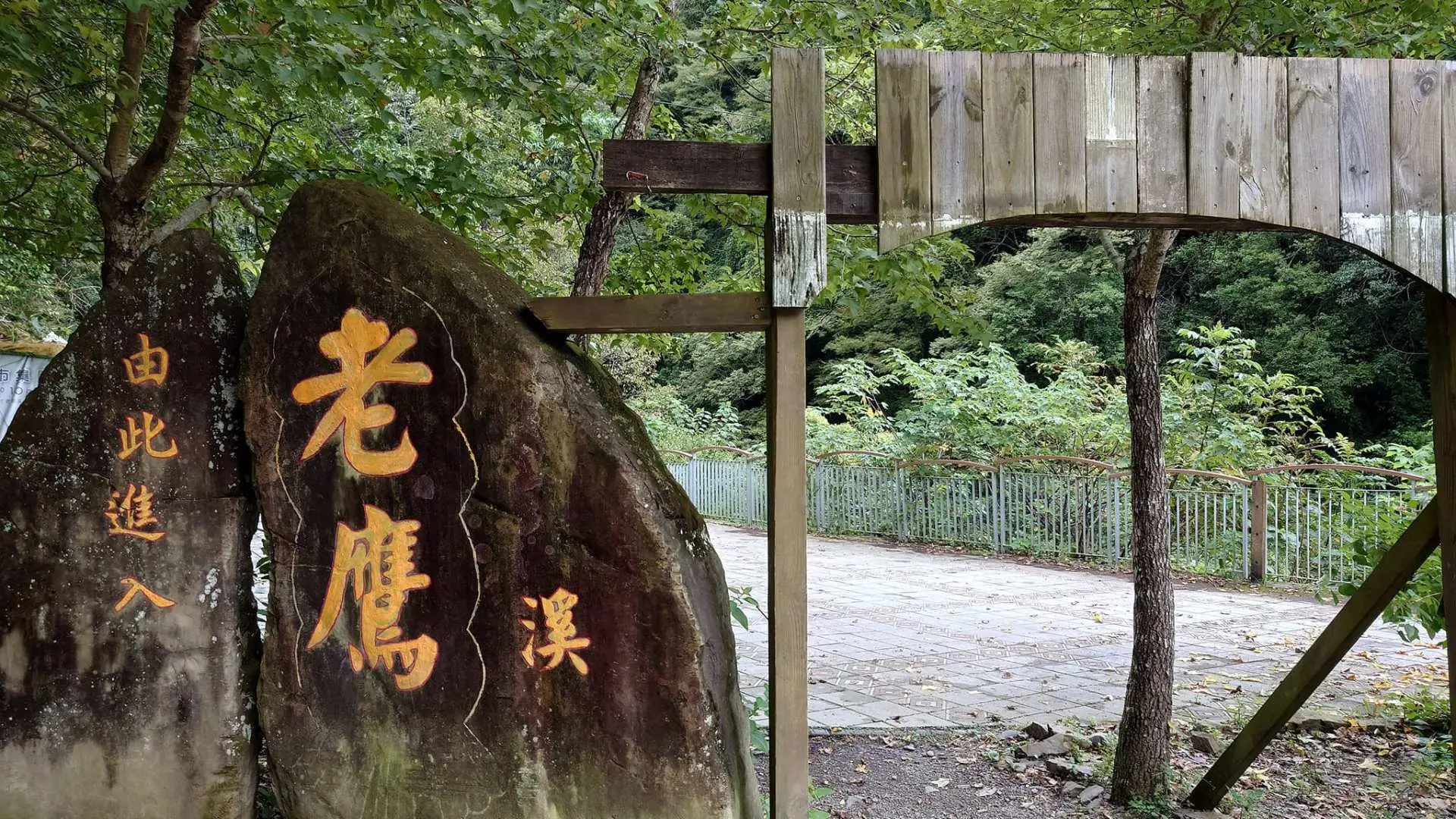
- Eagle Creek Trail
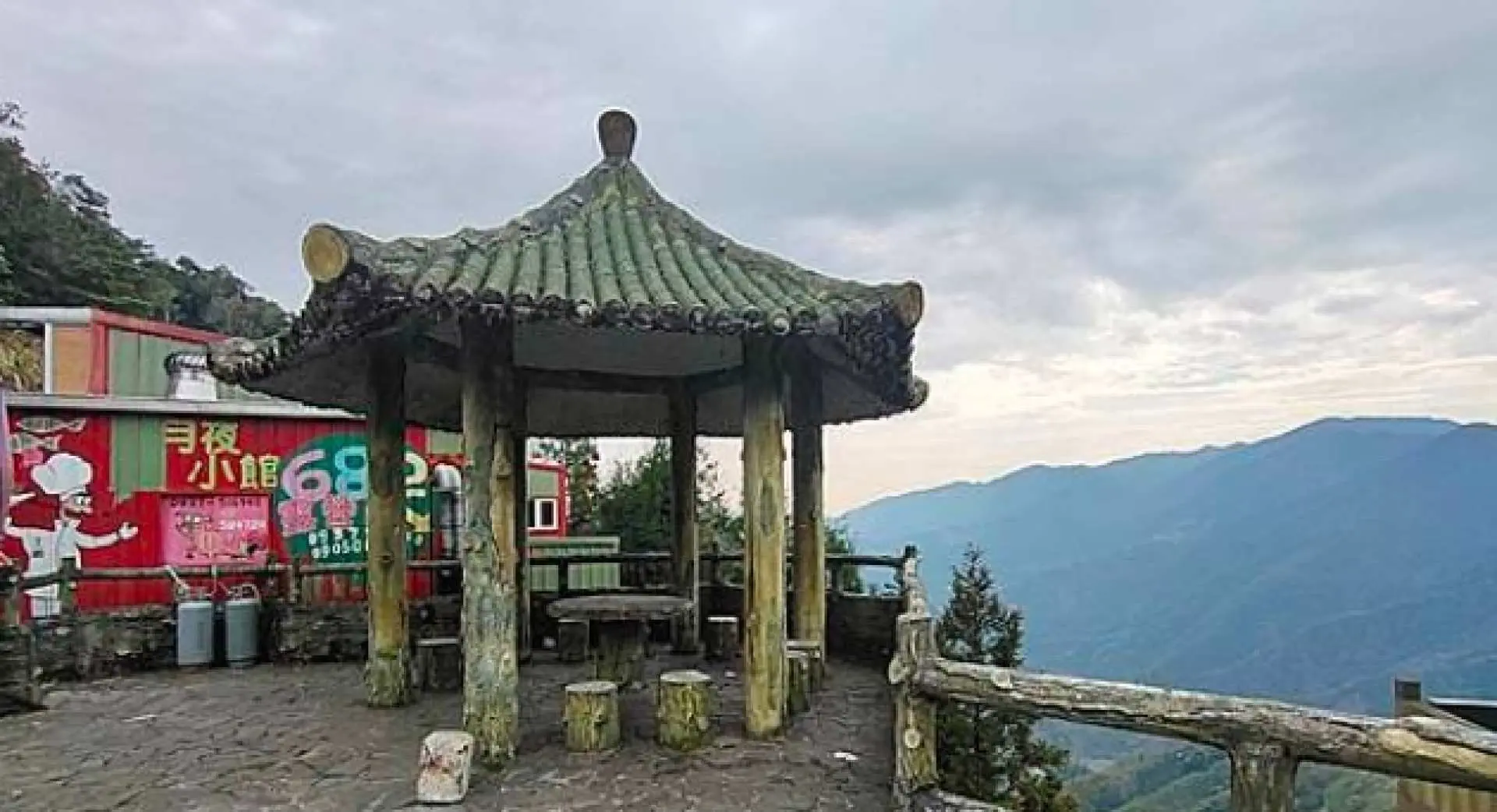
- Yulao Observation Deck
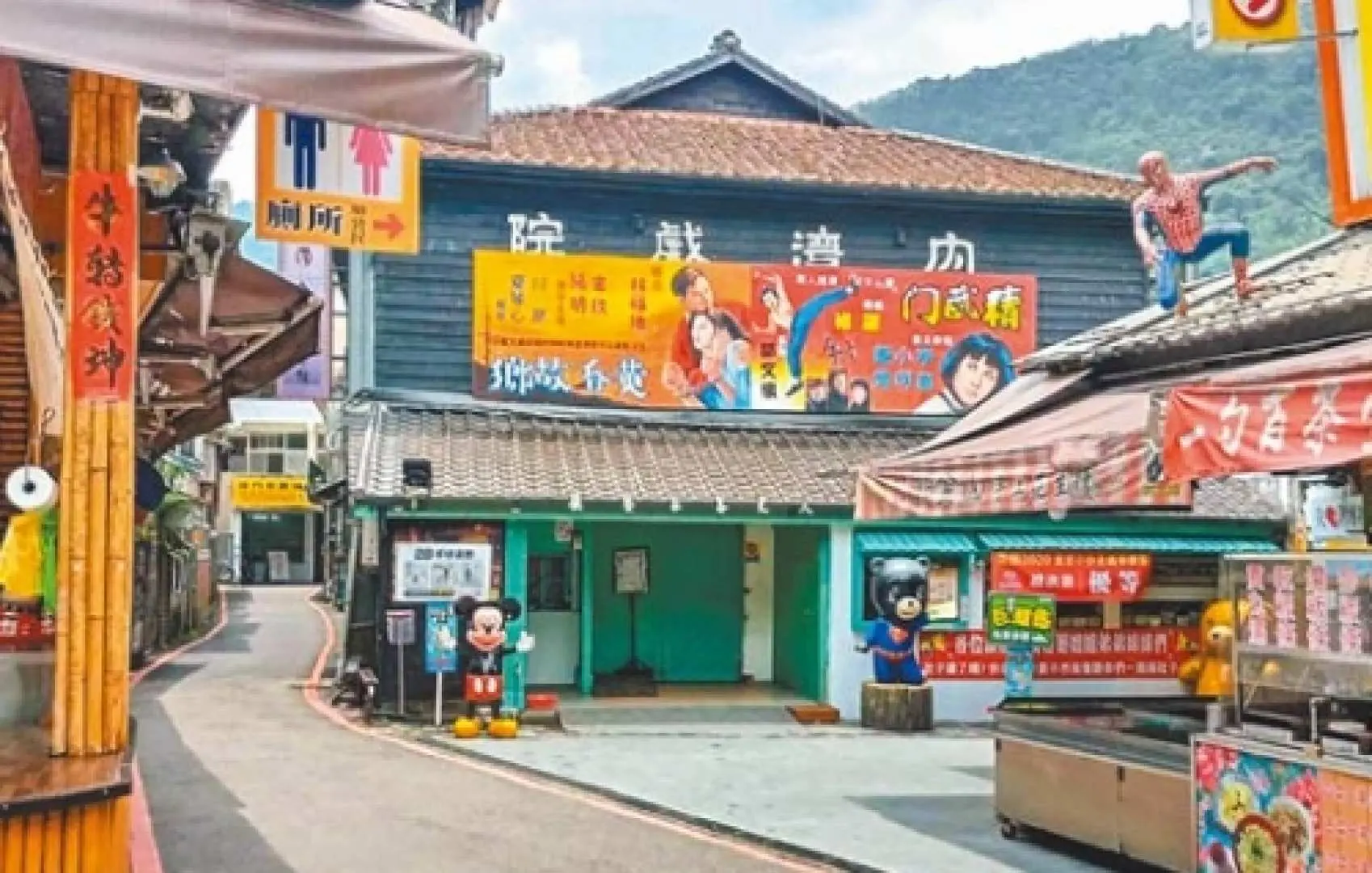
- Neiwan Old Street




Purchase Notice
Child seat rental fee Taiwan law stipulates: Children under 4 years old must use a baby bed or safety seat; it is recommended that children over 4 years old and under 120 cm in height use a car booster cushion; please note the child's date of birth, height and weight information when booking. An infant seat costs NT$200/day, and a nine-seater car can accommodate a maximum of two child seats.
Includes/Excludes
- Passenger liability insurance
- Transportation fare
- Parking fee
- Toll fee
- Fuel cost
- Transportation
- Driver
- Tour guide
- Pickup
- Vehicle Insurance
- Passenger Insurance
- ETC Fees
- Tips
- Personal expenses
- Accommodation
- Meals
- Safety equipment
- Local guide
- Driver Tips
Reminders
1. Due to traffic control in Simakus, passengers are required to apply for a pass from the B&B to go up the mountain after providing the car dispatch information.
2. If you need to add other attractions to your itinerary, please consult our customer service staff to determine whether additional charges are required.
3. This private charter car itinerary does not specify the color or model of the car, and all nine-seater models are provided.
4. This trip is a driver pick-up service, which can provide meals and scenic spot consultation, but no tour guide service is provided.
5. When placing an order, please fill in the number of passengers in the order notes. The maximum number of passengers for this private charter car trip is 8. If the number does not meet the requirements, we will not be able to provide the service.
6. The maximum luggage capacity for a nine-seater vehicle is 4 34-inch suitcases or 6-7 24-inch suitcases.
7. If you need to connect at more than one location, please ask in advance and inform us in the order notes. Whether additional charges are required will be evaluated based on the connection location.
8. No refund will be given if the activity is not completed due to climate change or personal reasons.
How to Redeem Your Voucher
How to Use Your Voucher
- Please present the e-voucher on-site
Meeting Point
Location Name: Taipei Main Station
Address: No. 3, Beiping West Road, Zhongzheng District, Taipei CityCancellation Policy
- Cancellations 4 day(s) (inclusive) before the selected date are allowed. Unused orders can be canceled for free
- For cancellations made 1 to 3 days prior to selected date, a cancellation fee of 50% will apply
- Cancellation is not allowed between 0–0 days from the selected date. Orders cannot be canceled or modified, and refunds will not be granted.
- Due to time zone differences, the confirmed cancellation date is based on the supplier’s local time. Please allow 2–5 business days to process your cancellation request, after which the cancellation fee will be charged according to the product’s cancellation policy. Once your refund request is confirmed, KKday will initiate the refund to your original payment method within 15 days. The actual refund timing depends on your card-issuing bank’s policy.
Get Help


