



Chiang Mai and Chiang Rai Day Tour | Thailand
Spend the day exploring Chiang Mai or head over to Chiang Rai to visit its top attractions. With a convenient transfer service and an experienced tour guide, this is a tour you won't want to miss!
- Discover Chiang Mai or Chiang Rai at your own pace with a flexible schedule and convenient transfers
- Check top attractions in Chiang Mai such as Doi Suthep and Warorot Market
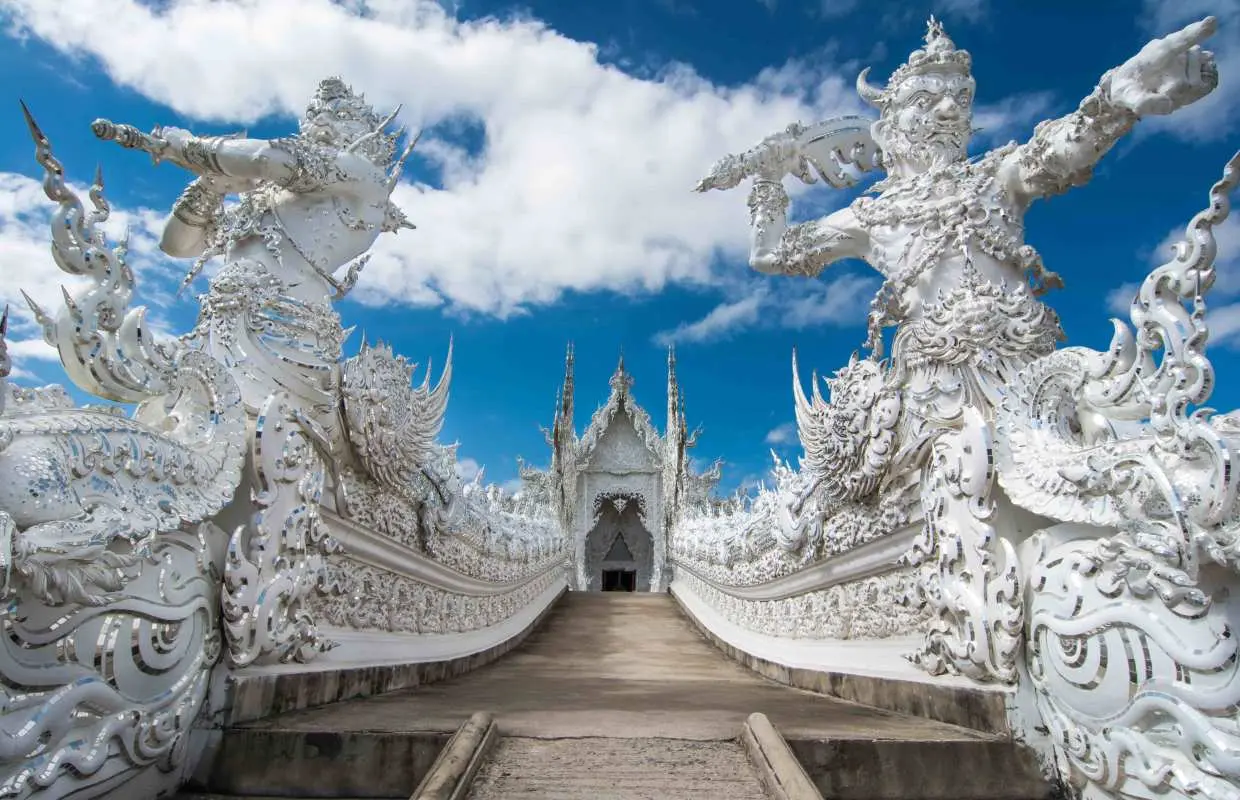
- Marvel at the stunning architecture of the White and Blue Temples in Chiang Rai
- Learn about the history and culture of Northern Thailand from your friendly, English-speaking guide
Package Options


Product Info
— What You Can Expect —
Embark on an exciting Chiang Mai or Chiang Rai day tour to discover the natural beauty, rich culture, and delicious cuisine of Northern Thailand. With convenient transfers, you can relax and enjoy a hassle-free tour at your own pace and according to what interests you the most.
-Package Info-
[Route A: Chiang Rai Private Day Tour]
- Duration: 10 hrs
- Pick-up range: Hotels within 10 km of Chiang Rai City
- Departure point: Your hotel
- Range of service: Chiang Rai City
[Route B: Chiang Mai to Chiang Rai Day Tour]
– Option 1: Joined Tour (Temporarily unavailable)
- Duration: 14 hrs
- Meeting point: Starbucks Tha Pae Gate or MAYA Lifestyle Shopping Center
– Option 2: Private Tour
- Duration: 14 hrs
- Pick-up range: Hotels within 10 km of Chiang Mai Old City
- Departure point: Your hotel
- Range of service: Chiang Rai City
[Route C: Chiang Mai Private Day Tour]
- Duration: 10 hrs
- Pick-up range: Hotels within 10 km of Chiang Mai Old City
- Departure point: Your hotel
- Range of service: Chiang Mai City
- Recommended Sites -
- Chiang Rai hot springs
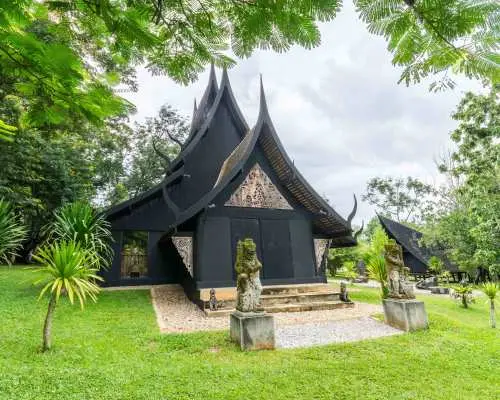
- Baan Dam (Black House)
- Wat Rong Khun (White Temple)
- Wat Rong Suea Ten (Blue Temple)
- The Golden Triangle
- Long Neck Village (Kayan tribe)
- Warorot Market
- Wat Phra That Doi Suthep
- The Old City in Chiang Mai
- Chiang Mai Zoo
-Important Info-
- Duration: 10-14 hours (dependent on your package)
- Service hours: 8:00 am-8:00 pm (Private Tour)
- Departure time: Your chosen time
- Itinerary: Your chosen locations
- For Route C, please choose either Doi Inthanon National Park or Doi Suthep as the locations are far from each other
-Vehicle Type-
- Route A, B, and C: 9-12-seater van
- Route B: For the joined tour, the Sedan car will be used if there are only 1-3 passengers. If there are more than four people on the tour, a van or bus will be used
- Please note that overloading is strictly not allowed; driver has right to refuse service, and no refunds will be granted
Take in the idyllic vibes at Mae Kachan Hot Spring and Geyser


Acquaint yourself with the unique long-necked Kayan people


Appreciate the river views of the Golden Triangle


Marvel at the black-hued Baandam Museum


Be amazed at the sculptures of Wat Rong Khun (White Temple)


Purchase Notice
- If your accommodation is outside of the service range, you will be charged an additional fee; fees to be paid on-site in cash directly to the tour guide
Reminders
A minimum of 0 traveler(s) are required for the tour to depart. If the number of participants does not reach the minimum requirement, the tour will be canceled. An email regarding tour cancellation will be sent 0 day(s) before the departure date
Please arrive at the designated location 5 minute(s) before the scheduled departure time, as the tour will depart on time
FAQ
Chiang Rai is renowned for its distinctive temples and rich cultural experiences. To thoroughly explore iconic sites like the White Temple, Black House, and Blue Temple, and to experience the culture of the Golden Triangle and the long-neck Karen tribes, we recommend allocating at least 1 to 2 days for your itinerary. A day trip can efficiently cover the main landmarks, but an extra day would allow for a more leisurely immersion into the local atmosphere.
The optimal period for visiting Chiang Mai is generally from November to February. During these months, the weather is cool and dry, with average temperatures ranging from 20-30°C, making it ideal for outdoor pursuits and temple visits. March to May is the hot season with higher temperatures, while June to October is the rainy season, which may bring afternoon thunderstorms but typically does not significantly disrupt full-day excursions.
Chiang Rai and Chiang Mai are two distinct cities in Northern Thailand with very different characteristics. Chiang Mai, the second-largest city, boasts vibrant night markets, numerous ancient temples, and cafes, offering well-developed tourist facilities and a more relaxed, modern ambiance. Chiang Rai, on the other hand, feels more untouched and rustic, famed for its unique artistic temples (such as the White, Black, and Blue Temples) and its historical proximity to the Golden Triangle, offering a deeper cultural immersion.
The White Temple (Wat Rong Khun) captivates with its all-white exterior adorned with mirrored glass, symbolizing purity and wisdom, with intricate details incorporating mythological and Buddhist elements. The Black House (Baan Dam Museum) comprises multiple Lanna-style structures, showcasing the collection of artist Thawan Duchanee, exuding a dark, mysterious atmosphere that explores themes of life and death. The Blue Temple (Wat Rong Suea Ten) is characterized by its deep blue hues accented with gold trim, creating a majestic yet ornate feel, with vividly colored murals inside depicting Buddhist stories.
The Golden Triangle, situated at the border junction of Thailand, Myanmar, and Laos, was once a central hub for the global opium trade. When visiting this region, you will learn about its significance in opium history and how the area has transitioned from poppy cultivation to developing tourism and alternative crops. For instance, visiting the Opium Museum provides a deeper understanding of this complex history and insights into the local society's transformations and efforts.
The rainy season in Chiang Mai typically runs from June to October. While Chiang Rai is also affected, the rainfall is usually in the form of brief afternoon thunderstorms, which generally do not severely impact day trip itineraries. The rain can enhance the greenery of the landscape and bring cooler temperatures. It is advisable to carry lightweight rain gear and stay updated on weather forecasts. Most indoor attractions (like the Black House and Blue Temple) remain accessible, while outdoor activities may require flexible adjustments.
Long-neck Karen tribes near Chiang Mai are typically larger and relatively more commercialized, with convenient transportation making them easily accessible. In contrast, long-neck Karen communities in Chiang Rai are often more remote and less commercialized, offering experiences closer to traditional ways of life. Visitors may have the opportunity to witness more authentic ethnic culture and crafts. Reaching the long-neck Karen tribes in Chiang Rai often requires private transportation for convenient access.
Chiang Mai's natural scenery is primarily characterized by waterfalls and viewpoints in Doi Suthep National Park, with a more traditional and refined style of attractions. Chiang Rai, however, showcases an innovative cultural face through its unique modern artistic temple complex. Its natural landscapes are interwoven with the mysterious history of the Golden Triangle, mountainous ethnic minority villages, and Mekong River vistas, offering a more exploratory and primitive charm.
Get Help


