




Luxury Tour Cu Chi Tunnels & Mekong Delta Day Tour from Ho Chi Minh | Vietnam
- Small Group Tour from Ho Chi Minh City: Choice of Luxury Limousine (10 seats) or Minibus/Van
- Explore historic Cu Chi Tunnels with a knowledgeable local guide
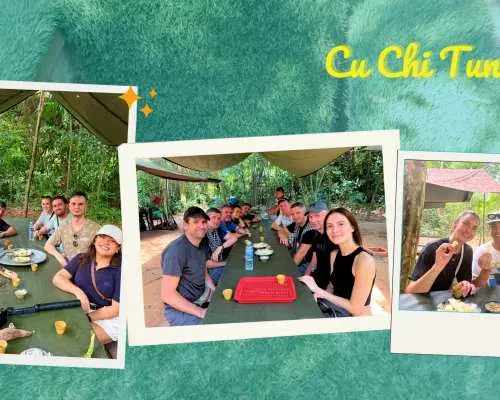
- Enjoy authentic Southern lunch with traditional clay pot rice
- Cruise the Mekong River by motorboat & sampan through coconut canals
- Visit honey farm & coconut candy traditional workshop
Package Options


Sightseeing Tours
| Tour Type | Private tour, Shared tour |
| Transportation method | Transfer from meeting point, Hotel transfer |
| Tour types | Guided tour |
| Additional service & facility | Transfer included |
| Sightseeing type | Natural sights, Historic site tour |
| Transport | Charter car, Sightseeing cruise |
Product Info
Important Info
Reminders
Please arrive at the designated location 10 minute(s) before the scheduled departure time, as the tour will depart on time
Feel free to contact us via our hotline: +84707260119
FAQ
1. What is the historical significance of the Cu Chi Tunnels?
The Cu Chi Tunnels hold immense historical significance as a crucial underground network used by Vietnamese soldiers during the Vietnam War. They served as communication routes, supply storage, hospitals, living quarters, and weapon caches. This complex system allowed soldiers to control a large rural area near Ho Chi Minh City (formerly Saigon), enabling them to launch surprise attacks and disappear quickly, playing a pivotal role in resisting foreign forces. The tunnels exemplify the ingenuity and determination of the Vietnamese people.
2. What can visitors expect to experience at the Cu Chi Tunnels site?
Visitors to the Cu Chi Tunnels can explore various reconstructed sections of the intricate underground network, including living areas, command centers, and medical stations. You will see hidden entrances, booby traps, and bomb craters that illustrate the harsh realities of wartime. The site also features historical exhibits and provides opportunities to watch documentaries explaining the resourcefulness and resilience of the Vietnamese people who utilized these tunnels, offering a deep dive into wartime history.
3. What was the human impact and scale of casualties associated with the Cu Chi Tunnels during the Vietnam War?
The Cu Chi Tunnels were a site of intense conflict during the Vietnam War, leading to significant human impact. While exact numbers are difficult to ascertain due to the nature of underground warfare, both Vietnamese soldiers and American forces suffered heavy casualties in the fierce battles fought in and around the tunnels. The prolonged conflict also had a profound and lasting impact on the local civilian population, who endured displacement, loss of life, and environmental damage. The tunnels stand as a powerful testament to the human cost of war.
4. What key historical events are associated with the Cu Chi Tunnels?
The Cu Chi Tunnels were central to several key historical events during the Vietnam War. They were significantly expanded and utilized during the Tết Offensive in 1968, when North Vietnamese and Viet Cong forces launched a series of surprise attacks across South Vietnam, including on Saigon. The tunnels provided a strategic base for these operations, allowing forces to operate effectively close to urban centers. They also played a vital role in resisting numerous search-and-destroy operations conducted by American and South Vietnamese forces, demonstrating the strategic genius of the tunnel system.
5. What types of activities can visitors enjoy in the Mekong Delta region?
In the Mekong Delta, visitors can immerse themselves in the region's vibrant riverine life. Popular activities include taking boat trips along the intricate network of canals and rivers, exploring local workshops that produce coconut candy or honey, and visiting fruit orchards. You can also enjoy traditional folk music performances, cycle through charming villages, and sample regional delicacies. The experience offers a glimpse into the daily lives of the local people and the lush, fertile landscape, highlighting the rich culture of Southern Vietnam.
6. How long is the travel time from Ho Chi Minh City to the Cu Chi Tunnels and Mekong Delta?
When embarking on a day tour to both the Cu Chi Tunnels and the Mekong Delta from Ho Chi Minh City, the travel time typically involves distinct segments. The journey to the Cu Chi Tunnels usually takes approximately 1.5 to 2 hours by vehicle, depending on traffic conditions. From Cu Chi to the Mekong Delta (specifically the My Tho or Ben Tre area), it can take another 2 to 2.5 hours. Therefore, a significant portion of the day tour is dedicated to comfortable travel between these two major sites, facilitated by a high-quality vehicle as part of a well-organized tour.
7. Are there guided tours available in multiple languages for the Cu Chi Tunnels and Mekong Delta?
Yes, tours to the Cu Chi Tunnels and Mekong Delta often offer guided services in multiple languages to cater to international visitors. English is typically available, and depending on the tour provider, other languages such as Chinese, Korean, or French may also be offered. These multi-language options ensure that visitors from diverse backgrounds can fully understand the historical context of the Cu Chi Tunnels and the cultural insights of the Mekong Delta from an experienced guide, enhancing their overall experience.
8. Can visitors explore the underground sections of the Cu Chi Tunnels, and what should they know before entering?
Yes, visitors can explore enlarged sections of the Cu Chi Tunnels designed for tourists, offering a direct experience of the underground network. These sections are wider and higher than the original tunnels for easier access. Before entering, be aware that the tunnels can be narrow, dark, and challenging for those with claustrophobia or mobility issues. It's advisable to wear comfortable clothing and shoes. The experience provides a unique understanding of the living and fighting conditions faced by soldiers during the war.
Get Help


