
Taal Heritage Town Shared Tour | Philippines
Go back in time to a Spanish colonial town in the early 17th–20th century when you enter the town of Taal.
- Be guided through the streets of this beautiful historic town
- Visit the Doña Marcela Agoncillo Museum, which commemorates the creator of the Philippine flag
- Stop by the Our Lady of Caysasay Shrine, the Miraculous Well of Sta. Lucia and many more fascinating sites
- Go shopping at a local market and buy local delicacies and beautiful fabrics
Sightseeing Tours
| Tour Type | Shared tour |
| Transportation method | Hotel transfer |
| Tour types | Guided tour |
| Meal arrangement | Lunch included |
| Additional service & facility | Transfer included |
| Sightseeing type | Museum tour, Traditional markets, Japanese castles, Historic site tour |
| Transport | Walking |
Product Info
Purchase Notice
- Please bring a camera, a hat, sunblock, comfortable walking shoes and water
Cancellation Policy
- Cancellations 8 day(s) (inclusive) before the selected date are allowed. Unused orders can be canceled for free
- Cancellation is not allowed between 0–7 days from the selected date. Orders cannot be canceled or modified, and refunds will not be granted.
- Due to time zone differences, the confirmed cancellation date is based on the supplier’s local time. Please allow 2–5 business days to process your cancellation request, after which the cancellation fee will be charged according to the product’s cancellation policy. Once the cancellation is confirmed, you will receive your refund within 14 working days.
FAQ
Taal Heritage Town is renowned for its remarkably preserved collection of Spanish colonial-era ancestral houses and structures, dating from the 17th to early 20th centuries. It offers a unique glimpse into the Philippines' rich historical past, showcasing impressive architecture and a charming atmosphere that transports visitors back in time to a significant period in Philippine history.
Taal Heritage Town is located in the province of Batangas, situated in the CALABARZON region of Luzon, Philippines. It is a municipality that stands as a testament to the country's colonial history, distinct from other nearby provinces like Cavite, and serves as a major cultural destination within the region.
Reaching Taal Heritage Town typically involves land travel. From Metro Manila, visitors can take a bus bound for Batangas City or Lemery, then transfer to a local jeepney or tricycle to Taal. Alternatively, booking a pre-arranged tour service often includes convenient roundtrip transfers, providing a direct and hassle-free journey to the town's historical sites.
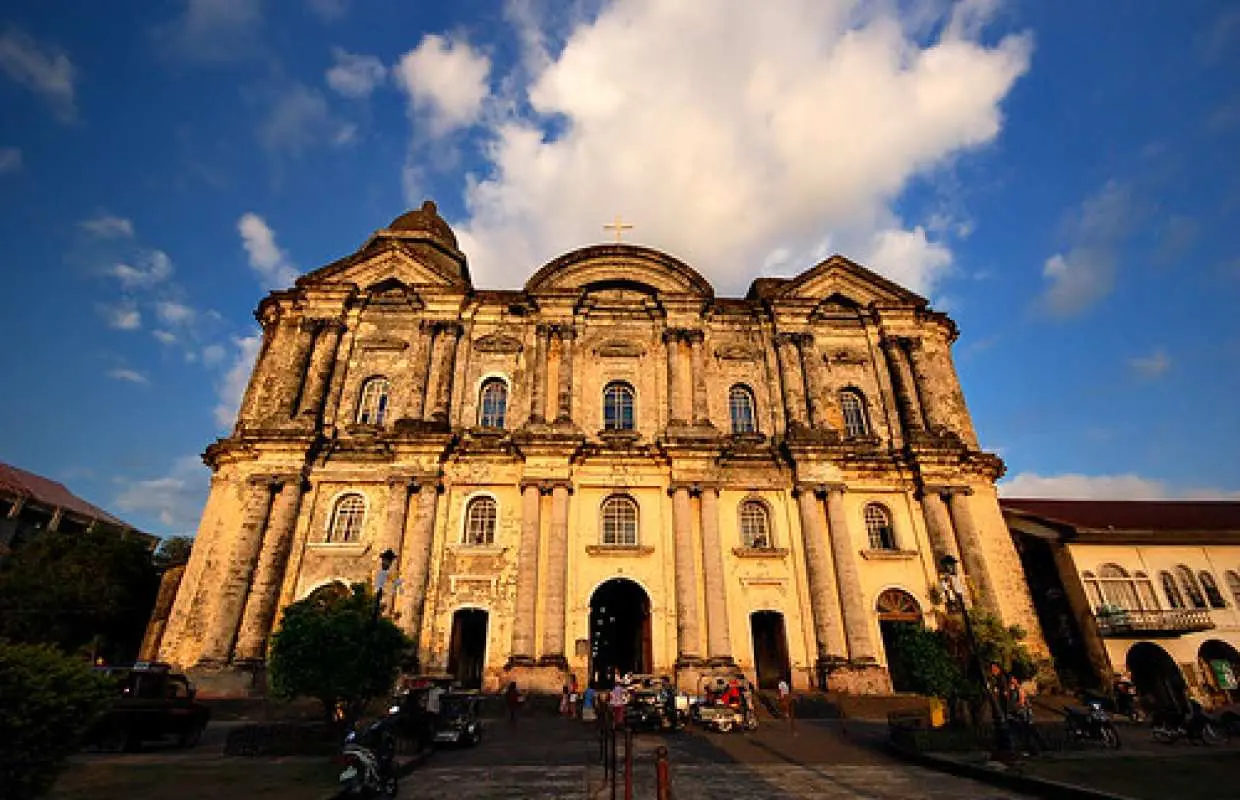
Taal Heritage Town is a designated National Historical Landmark, preserving numerous ancestral houses that showcase the architectural styles and opulent lifestyles of wealthy Filipino families during the Spanish colonial period. These homes, along with the immense Taal Basilica (Basilica of Saint Martin of Tours), reflect centuries of history, culture, and the socio-economic evolution of the region, making it a living museum.
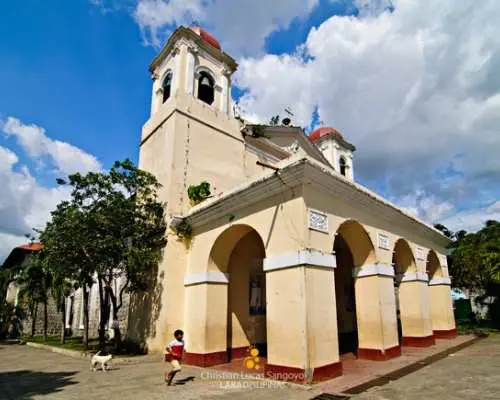
In Taal Heritage Town, visitors can explore historic ancestral houses, many of which are now museums, like the Doña Marcela Agoncillo Museum. Key landmarks include the immense Taal Basilica and the Our Lady of Caysasay Shrine. Other popular activities involve visiting the Miraculous Well of Sta. Lucia and shopping for local delicacies and beautifully embroidered fabrics at the local market.
Within Taal Heritage Town, visitors can best explore the attractions by walking, as many sites are relatively close to each other, allowing for an immersive experience of the historic streets. Tricycles are also readily available for shorter distances or to cover more ground efficiently. Guided tours often include walking portions or dedicated transportation between key landmarks, offering a structured way to discover the town.
At the Doña Marcela Agoncillo Museum, visitors can learn about the life and contributions of Doña Marcela Agoncillo, who notably sewed the first official Philippine flag. The museum, housed in her ancestral home, displays personal artifacts, historical documents, and period furnishings, offering profound insights into her significant role in Philippine history and the colonial era in which she lived.
The market in Taal Heritage Town is known for a variety of local products and traditional delicacies. Visitors can find regional specialties such as Taal's famous longganisa (local sausage) and empanada. The town is also renowned for its exquisite hand-embroidered piña and jusi fabrics, particularly used for barong Tagalog and other formal wear, making it an excellent place to purchase unique artisanal souvenirs.
Get Help


