


West MacDonnell Ranges Scenic Tour | Northern Territory
- Admire the immensity and array of colors of the panoramic landscapes of the West MacDonnell Ranges
- View amazing scenery and take photos as you travel along through magnificent Outback Country
- Visit cool historical locations such as Flynn's Grave Memorial
- Explore the calming beauty of Simpsons Gap and Standley Chasm
Product Info
— What You Can Expect —
Embark on an amazing adventure to the West MacDonnell Ranges and admire the beautiful panoramic landscapes. Marvel at their immensity and an array of sunburnt oranges, maroons, and purples. Experience the spectacular Outback Country and take photos at historic locations. Be prepared to stop by Flynn's Grave Memorial, and take a nice walk at Simpsons Gap and Standley Chasm while admiring the beautiful scenery.
— Package Info —
- Travel dates for Kings Canyon Resort to Alice Springs Transfer (A39)_1: until March 30, 2022
- Travel dates for Kings Canyon Resort to Alice Springs Transfer (A39)_2: starting from April 1, 2022
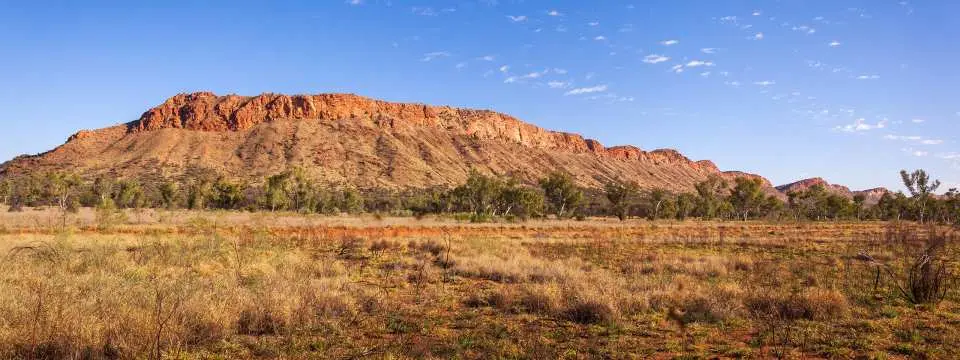
Embark on a journey to West MacDonell Ranges and experience their immensity landscape and an array of colors

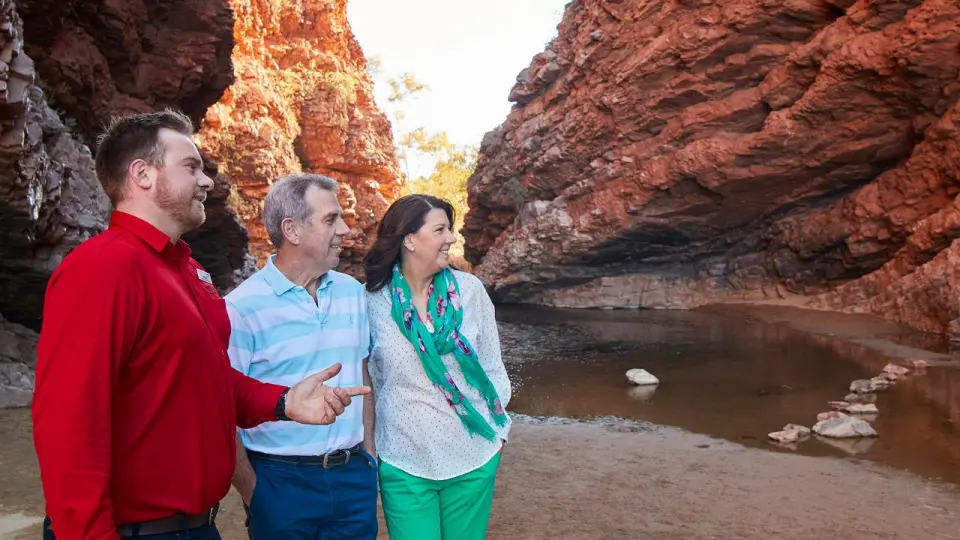
Experience the adventure of the Outback Country and marvel at the beautiful scenery


Explore the famous Simpsons Gaps, wander through the chasm of Standley Chasm, and enjoy a cup of morning tea before going to Alice Springs

Purchase Notice
- The Northern Territory Park Pass will NOT be included for departures after 1 November 2023. Please purchase your Northern Territory Park Pass here
Reminders
Travelers are encouraged to bring sunglasses, a hat, sunscreen, and a 1-liter water bottle. In cooler months, dress in layers
Fitness requirements: Low level of fitness
(For departures after 1 November 2023) The Northern Territory Park Pass will NOT be included for departures after 1 November 2023. Please purchase your Northern Territory Park Pass here: https://nt.gov.au/parks/park-pass
Cancellation Policy
- Once the order has been completed, it cannot be canceled, modified, or refunded
- Due to time zone differences, the confirmed cancellation date is based on the supplier’s local time. Please allow 2–5 business days to process your cancellation request, after which the cancellation fee will be charged according to the product’s cancellation policy. Once the cancellation is confirmed, you will receive your refund within 14 working days.
FAQ
Kings Canyon, located within Watarrka National Park, and the West MacDonnell Ranges are both prominent natural landmarks in Australia's Northern Territory. While distinct, they are often visited together as part of the Red Centre experience. The West MacDonnell Ranges stretch west of Alice Springs, whereas Kings Canyon is situated further south-west, requiring a separate drive of approximately 3 to 4 hours from the western end of the MacDonnell Ranges. They offer diverse landscapes within the same region.
Generally, a park pass is not required for access to the majority of public areas and attractions within the West MacDonnell Ranges. Many sites are managed by the Northern Territory Government and are accessible via public roads. However, it is always advisable for visitors to consult the latest information from the Northern Territory Parks and Wildlife Commission, as specific site access rules or conditions can change. Some areas managed by Traditional Owners may have different access requirements.
To fully immerse yourself in the natural beauty and key attractions of the West MacDonnell Ranges, a recommended visit duration is typically 2 to 3 days. This allows ample time to enjoy scenic drives, undertake short bushwalks, and experience the refreshing waterholes such as Ormiston Gorge and Ellery Creek Big Hole (season permitting). While a single day trip from Alice Springs can cover some highlights, a longer stay offers a more relaxed and comprehensive exploration of the region's diverse landscapes and sites.
The West MacDonnell Ranges offer a wealth of natural attractions and activities. Visitors can explore stunning geological formations like Simpsons Gap and Standley Chasm, enjoy refreshing swims in natural waterholes at Ormiston Gorge and Ellery Creek Big Hole, and embark on scenic walking trails that reveal the immense scale and colours of the Outback. Historical sites such as Flynn's Grave Memorial are also accessible, providing insight into the region's past alongside opportunities for photography and birdwatching.
The indigenous name for the West MacDonnell Ranges is 'Tjoritja,' which is pronounced as 'CHOR-it-ja.' This name comes from the Arrernte people, who are the Traditional Owners of this land. Acknowledging and using 'Tjoritja' demonstrates respect for the deep cultural heritage and spiritual significance that these ranges hold for the Arrernte community, reflecting thousands of years of connection and custodianship.
Simpsons Gap holds deep spiritual significance for the Arrernte people and is renowned for its permanent waterhole, which is a habitat for black-footed rock-wallabies, often spotted at dawn or dusk. Standley Chasm (Angkerle Atweme), on the other hand, is a breathtakingly narrow gorge. At midday, sunlight dramatically illuminates its towering red walls, causing them to glow with vibrant hues and creating a truly spectacular and memorable visual experience for visitors.
Flynn's Grave Memorial is a historically significant site located at the base of Mount Gillen, just west of Alice Springs, within the broader West MacDonnell Ranges area. It commemorates the life and legacy of Reverend John Flynn, the pioneering founder of the Royal Flying Doctor Service. The memorial serves as a poignant tribute to his dedication in bringing essential medical care to remote Outback communities, highlighting a crucial chapter in Australia's development and the challenges faced by its early inhabitants.
The West MacDonnell Ranges provide exceptional opportunities for photography and capturing breathtaking scenic views. Iconic locations like Ormiston Gorge offer dramatic contrasts with its towering red walls and gum-lined waterhole. The narrow chasm at Standley Chasm creates unique light effects, particularly at midday. Simpsons Gap is perfect for wildlife photography, especially capturing rock-wallabies against ancient rock formations. The expansive Outback landscapes encountered along scenic drives also offer endless possibilities for stunning wide-angle shots during the golden hours.
Get Help


