— Attraction Introduction —
The farm currently features tomato varieties from all over the world, including Japan, South Korea, the Netherlands, Italy, Israel, and India. Among them, the Japanese Momotaro has been cultivated here the longest, and the farm was also a pioneer in growing the Dutch Golden tomato, which is known for its slimming properties. There is a vast array of other varieties, such as the internationally popular Dutch Beefsteak tomato and the Japanese 'Boba' tomato, often called the 'King of Tomatoes.' Many visitors find themselves pleasantly surprised as they pick fruit and explore, adding a lively atmosphere to the tomato greenhouses. Within this diverse world of tomatoes, there are many varieties grown exclusively here in Taiwan, such as Dutch Cream, Dutch Lemon, Dutch Sesame Green, and Dutch Kiwi tomatoes. These are all part of a unique tomato family that can only be seen here, offering visitors a glimpse into the magical and wonderful diversity of the tomato world.
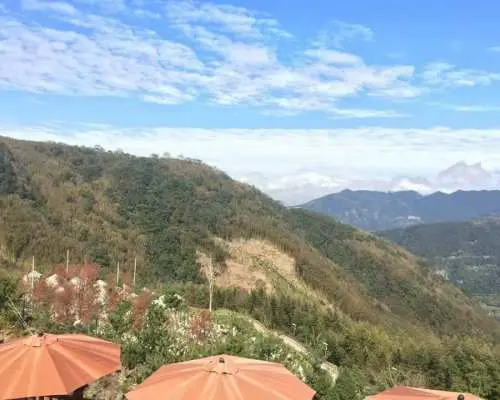
The owner, having worked in the electronics industry for over 20 years and traveled extensively across both sides of the Taiwan Strait, often visited the Jianshi mountain area while planning for retirement. Captivated by this landscape, he applied for legal permits and began construction in April 2004. The main building was completed in March 2006, followed by interior decoration and landscaping, and it officially opened to the public in early 2007. To provide guests with an even more comfortable environment, the Italian-style pavilion was added to the service offerings. The two-story steel and glass curtain wall building features smooth lines and unique structural details throughout. Ascending the spiral staircase to the roof offers a panoramic view where the ridgelines of the surrounding mountain ranges trace the paths of many hiking trails once traversed by outdoor enthusiasts. When the weather is clear and the humidity is just right, the sun and the sea of clouds appear together. Come join us in this beautiful corner of Jianshi Township at an altitude of 1200M. Regardless of the season, you will find yourself effortlessly forgetting the hustle and bustle of daily life, enjoying a vacation that balances both relaxation and activity. Upon entering the main hall of Digital Sky, you are greeted by a fluid, circular space. Meticulous planning ensures that the transition between spaces is seamless, and no matter where you go, the scenery changes with you. With spaces suitable for groups of all sizes and comfortable sofas, you can fully enjoy your own joyful time. After enjoying a sweet and hearty lunch here, you can choose to take a simple stroll through the forest to watch the clouds rise, or head to the 200M mountain trail behind the property.
The traditional street houses on Neiwan Old Street hold unique historical significance. As the main thoroughfare for the Jianshi area, which was once a major forestry hub, the houses were primarily built with red brick foundations and pillars, while the walls, doors, windows, and roofs were constructed from wood, topped with plywood or Japanese-style cultural tiles. The arcade spaces of Neiwan's traditional street houses feature three major characteristics: first, chairs and stools made of various materials to facilitate social interaction; second, laundry boards, sinks, and faucets made of various materials; and third, the ubiquitous presence of potted plants, mostly medicinal or culinary herbs, which add a simple and practical touch to the surroundings. The street food sold in the old street, such as ginger lily rice dumplings, purple jade vegetable buns, Hakka lei-cha (ground tea), lei-cha smoothies, Hakka mochi, and stir-fried rice noodles, are all popular bestsellers. In particular, the Hakka mochi in the old street is made by pounding fragrant, sticky glutinous rice, then hand-kneading it into shape and seasoning it with peanut powder. The texture is sweet but not cloying, easy to chew without sticking to the teeth, and very refreshing—definitely worth a taste.
As one of the few well-preserved wooden antique theaters in Taiwan, it has served as a filming location for productions like the 'Spring Tea House' and director Wu Nien-jen's 'A Borrowed Life.' It captures the pace of life from a bygone era, allowing visitors to unconsciously step back into the prosperity of the 1940s.
- Neiwan Image Commercial District
The main project focus is the creation of a visual identity for the 'Image Commercial District.' By utilizing the characters 'Ah-San-Ge' and 'Da-Shen-Po' created by local cartoonist Liu Hsing-chin as the spiritual icons of Neiwan, the entire commercial district is developed around the concept of a 'Manga Village.' The goal is to stimulate new vitality in Neiwan Village's economic activities and ensure the continuation of its traditional industrial culture.