

Tyrol
South Tyrol is located in northeastern Italy and is part of the Alps. This natural park attracts many visitors with its unspoilt countryside, pastures, mountain peaks and lakes. Tyrol's mountain lakes, such as Lago di Braies and Lake Carezza, offer excellent leisure activities. The best times to visit include summer and autumn, for hiking and admiring the fallen foliage. Winter is the skiing season, and the Geisler Peaks are a paradise for skiers.




Tyrol Top 10 Activities


Top things to do in Tyrol


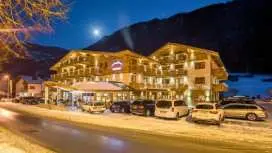

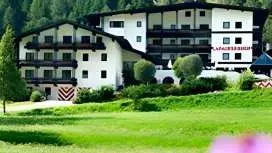


Popular Activities in Tyrol


Recommended travel destinations near Tyrol


Best time to visit Tyrol
Data source: Meteostat・Last updated: 2025-09
Weather in Tyrol throughout the year
Spring (March–May): 3.8–11.1°C on average, with variable weather conditions ranging from mild and pleasant to cold and damp. May experiences the highest rainfall. Common activities: Hiking (be mindful of changing weather), enjoying early spring scenery. Recommended clothing: Layered clothing, including a waterproof jacket, warm base layers, and comfortable, breathable clothing.
Summer (June–August): 15.6–18.3°C on average, with warm weather and relatively high rainfall. Common activities: Hiking, mountaineering, cycling, enjoying outdoor activities. Recommended clothing: Light and breathable clothing, a waterproof jacket to protect against afternoon thunderstorms.
Autumn (September–November): 11.3–13.8°C on average, with cool weather and gradually decreasing rainfall. Common activities: Viewing autumn leaves, hiking, enjoying the peaceful autumn scenery. Recommended clothing: Warm jacket, comfortable long trousers.
Winter (December–February): -0.9–1.5°C on average, with cold weather and a high probability of snowfall. Common activities: Skiing, snowshoeing, enjoying winter sports. Recommended clothing: Warm clothing, waterproof jacket, snow boots, hat, gloves, scarf, etc.
Weather in Tyrol
Annual average temperature: approx. 8.3°C / Annual rainfall: approx. 1512 mm / Summer humidity: 65%–75% / Rainiest month: May
Tyrol weather by month
| Month | January | February | March | April | May | June | July | August | September | October | November | December |
|---|---|---|---|---|---|---|---|---|---|---|---|---|
| Temperature | -0.9°C | 1.5°C | 3.8°C | 5.4°C | 11.1°C | 15.6°C | 17.1°C | 18.3°C | 13.8°C | 11.3°C | 3.1°C | -0.1°C |
| Rainfall (mm) | 83.7 | 76.4 | 83.9 | 115.6 | 201.1 | 167.5 | 173.1 | 192.8 | 99 | 103.2 | 108.3 | 107.5 |
7-day weather forecast for Tyrol
| Date | 11/7Saturday | 11/8Sunday | 11/9Monday | 11/10Tuesday | 11/11Wednesday | 11/12Thursday | 11/13Friday |
|---|---|---|---|---|---|---|---|
| Weather |  Overcast |  Cloudy |  Sunny |  Heavy snow | Overcast | Overcast | Heavy snow |
| High | 4.3°C | 5.9°C | 6.9°C | 6.5°C | 9.6°C | 8°C | 5.9°C |
| Low | -0.6°C | 1.1°C | 0°C | 0°C | 4.4°C | 4.3°C | -0.5°C |


